VIGO AND THE CANARY ISLANDS UNITED TO IMPROVE THE COMPETITIVENESS OF THE EXTRACTIVE FISHING SECTOR
Nov 4, 2022, 2:00:00 PM

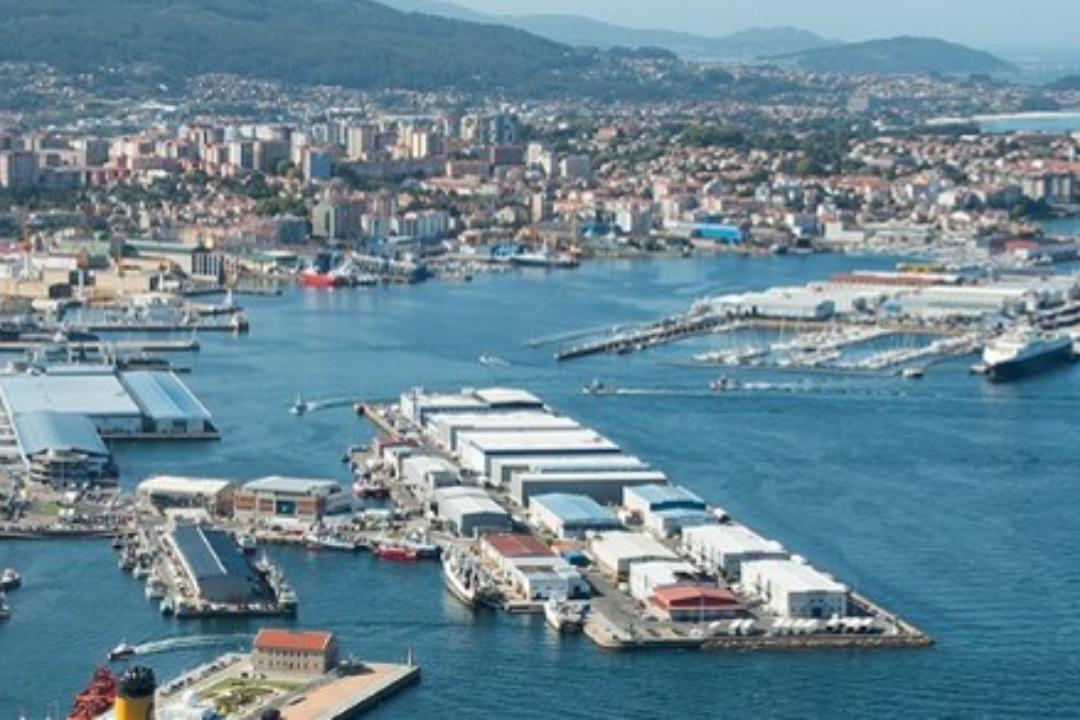
The BlueFishing Training project starts today with the kick-off meeting held at the Session Building of the Port Authority of Vigo, a project that aims to promote innovative approaches to strengthen cooperation between the extractive fishing industry and scientific community, strengthening the transfer of experiences and knowledge in training, research and innovation to strengthen the competitiveness of the sector around sustainable fisheries.
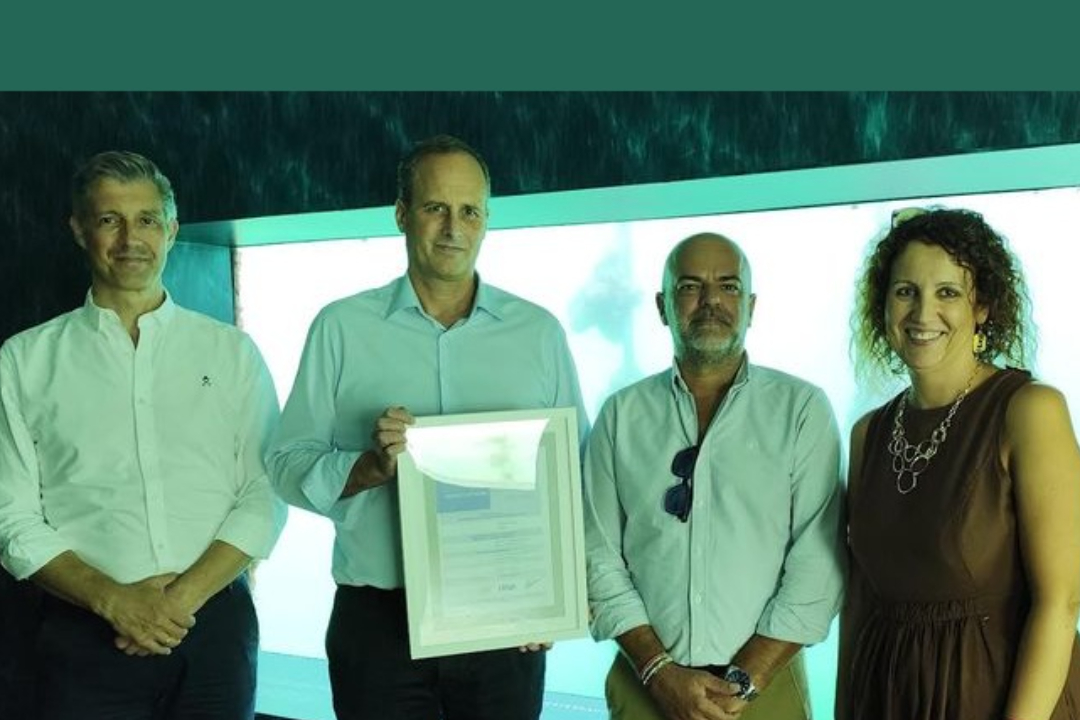
The five entities from Vigo and the Canary Islands that make up the group and the technical team of the project participated in this meeting, representing sectors that complement each other adequately for its development: the academic sector through the University of Vigo, research and innovation and the inshore extractive fishing sector through PLOCAN, the offshore extractive fishing sector through ARVI, the Port Authority of Vigo as a knowledge space catalyst for progress towards a blue economy and research and consultancy specializing in the field of strategic planning and local development in the maritime sector through ICSEM.
The project starts with a first phase that will consist of a diagnostic analysis of the situation of the extractive fishing sector, in terms of the detection of training needs according to the current labor market and future prospects. Based on the results of this analysis and through a sectoral cooperation plan that will be carried out from a participatory approach involving the private sector and academia, a plan of itineraries and three pilot training programs will be designed for the three target sectors: inshore and offshore fishing, and port marketing and logistics.
The sectoral cooperation plan on capacities will be articulated through the implementation and evaluation of three training programs for each target sector. Twelve specific courses will be implemented that will include virtual and face-to-face programs combining theoretical and practical sessions applying innovative training practices with workshops, seminars, case studies, experimentation and field visits.
This project, financed by the European Union - NextGenerationEu, is expected to promote the competitiveness of the target sectors, providing companies with access to trained professionals with the skills demanded by the market. In addition, training centers will be able to obtain direct feedback from the sector and reformulate or propose new training strategies, either in the short term, implementing the training itineraries designed, or in conjunction with the authorities, and the support of the sectors, to promote the updating of formal training programs.
Related projects