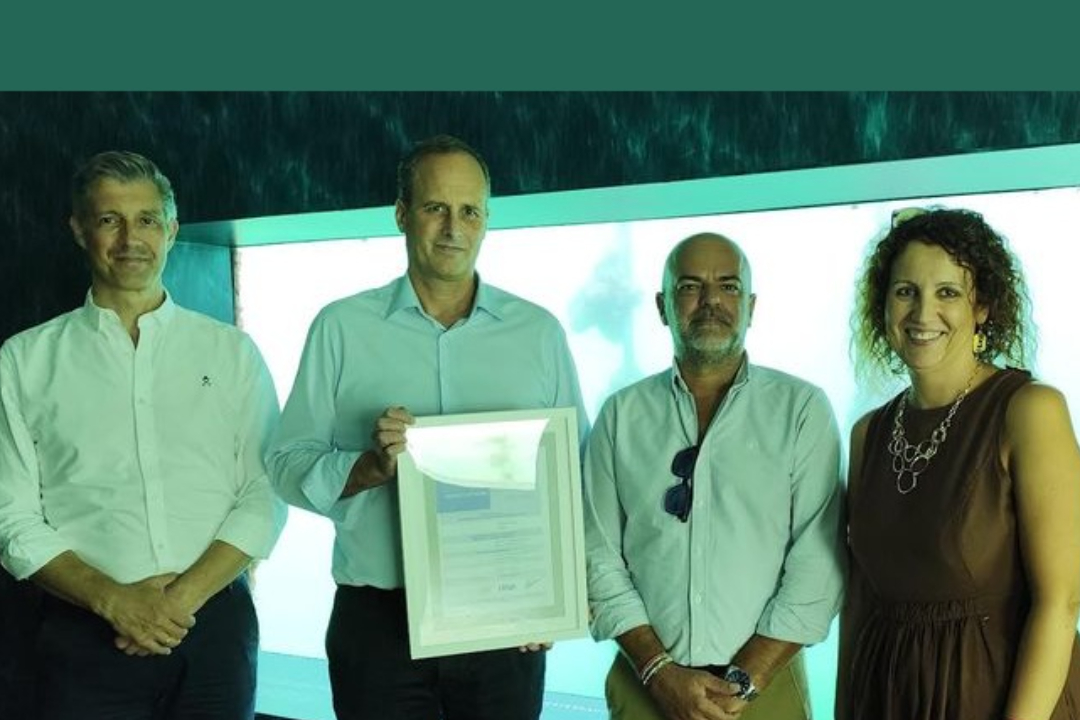
THE PORT OF VIGO RENEWS ITS INTERNATIONAL ENVIRONMENTAL CERTIFICATION 'PERS' AND CONSOLIDATES ITS LEADERSHIP IN MARITIME SUSTAINABILITY
• The institution renews this port-sector-specific standard, promoted by EcoPorts, which recognises excellence in environmental management and impact assessment. • The renewal of the PERS certification adds to an integrated system bearing ISO certification in quality, environment, safety and energy management, in addition to the EMAS III registration. • The Port Authority integrates this certification within a comprehensive strategy that covers continuous monitoring, spill response, the circular economy and the restoration of marine biodiversity.
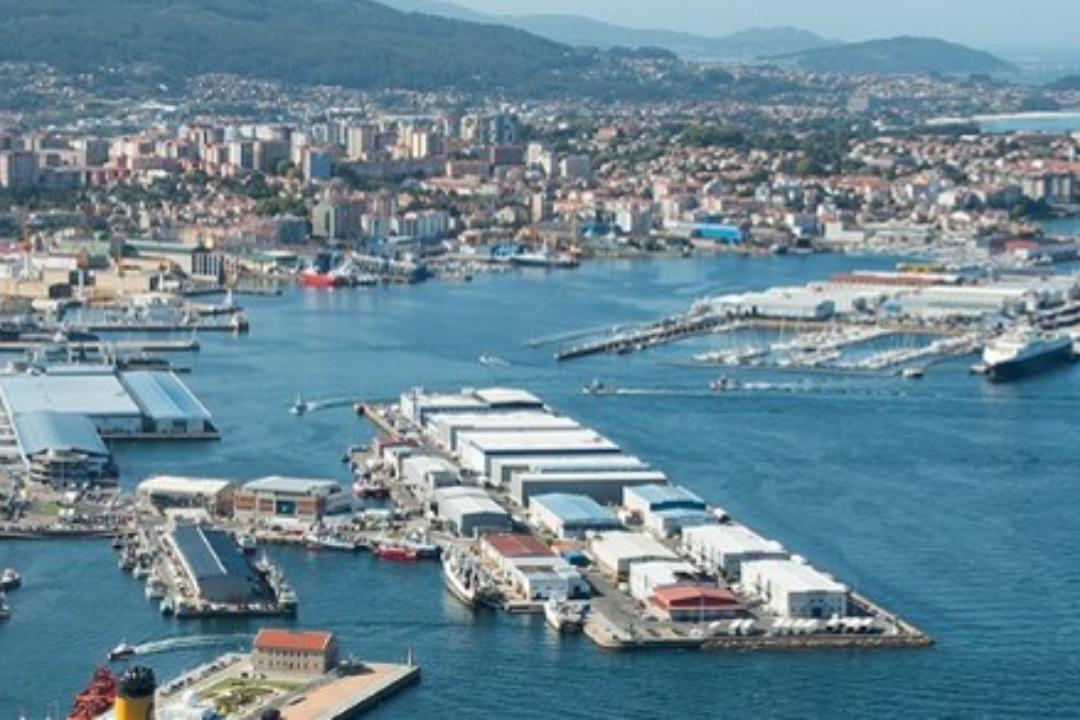
HYTEA - A DECISION-SUPPORT TOOL TO OPTIMISE THE GREEN HYDROGEN VALUE CHAIN IN PORTS
A tool for testing green hydrogen deployment scenarios in ports As interest in green hydrogen as a pathway to decarbonisation grows, so does the need for practical tools to help stakeholders assess the technical, economic and operational considerations of developing hydrogen infrastructure, from production and storage through to transport and end use. Since HYDEA's main objective is to drive the hydrogen transition in ports across the Atlantic Area, the project set out to develop a decision-support tool for hydrogen applications in ports. The main aim of this open-source tool, called HyTEA 1.0, is to support techno-economic assessment and decision-making in the planning and development of green hydrogen supply chains. It was developed by researchers at the University of Galway, a partner in the HYDEA consortium.
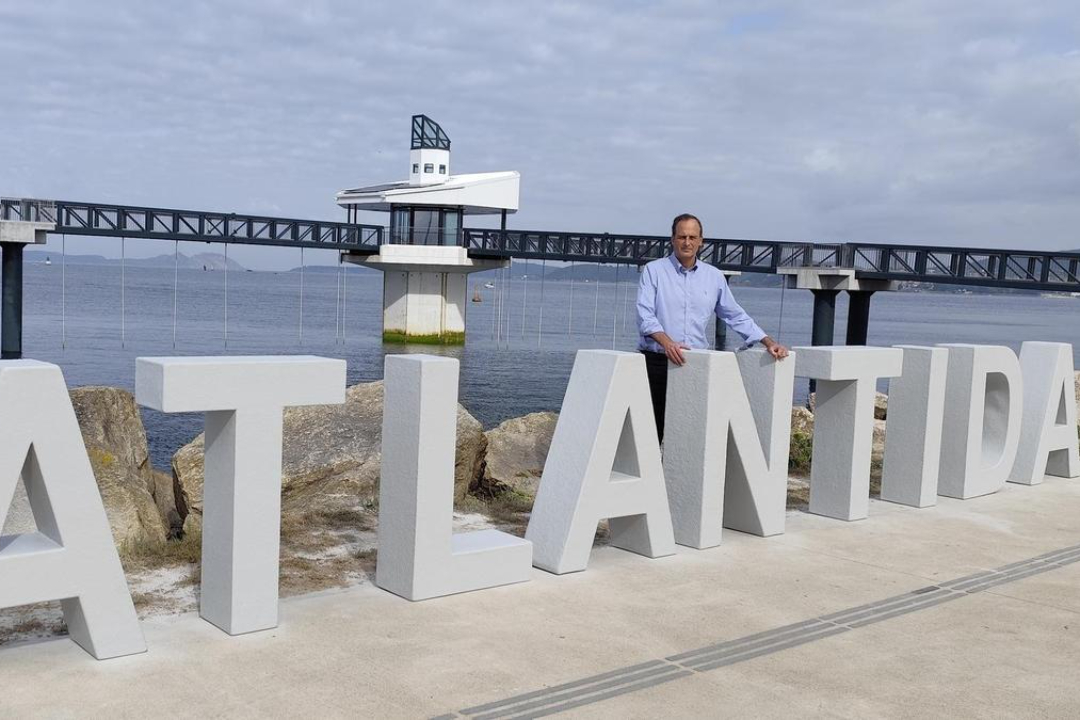
THE NEW UNDERWATER VIEWPOINT AT THE PORT OF VIGO WILL OPEN TO THE PUBLIC TOMORROW, FRIDAY
• The APV once again draws inspiration from Jules Verne and his "Twenty Thousand Leagues Under the Sea" to bring "Atlántida" to life, evoking Captain Nemo and the crew of the Nautilus, who walked the seabed discovering the hidden treasures of the submerged realm. • Admission will be free, with guided visits on Tuesdays, Wednesdays and Thursdays from 4:00 pm to 8:00 pm, and on Fridays, Saturdays, Sundays and national public holidays from 11:00 am to 2:00 pm and from 4:00 pm to 8:00 pm. • Visitors will be able to observe first-hand the daily routine of the various marine species that inhabit this ecosystem, such as white seabream, common two-banded seabream, ballan wrasse, seabass, cuttlefish, bogue and the distinctive triggerfish.
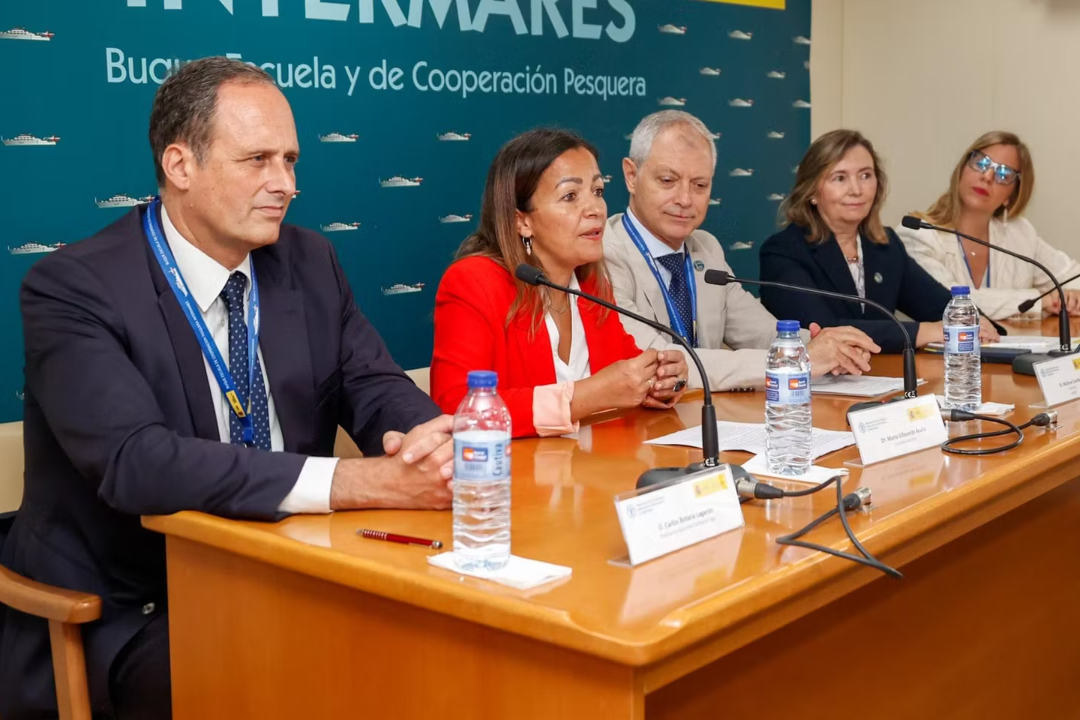
THE PORT OF VIGO HOSTS A NEW FAO TRAINING COURSE FOCUSED ON FISHERIES LEGISLATION
• Carlos Botana welcomed the 22 students from Costa Rica, Ecuador, Equatorial Guinea, Panama, Peru, El Salvador, Brazil, Chile and Argentina, and highlighted the close collaboration with the international organisation since 2016. • He highlighted the socioeconomic weight of the Port of Vigo, which handles close to 900,000 tonnes of fish a year and generates 5,000 direct jobs in the fresh-fish sector alone. • First training session of the International Course on the implementation of fisheries legislation under the Port State Measures Agreement (PSMA), which is also celebrating its 10th anniversary.
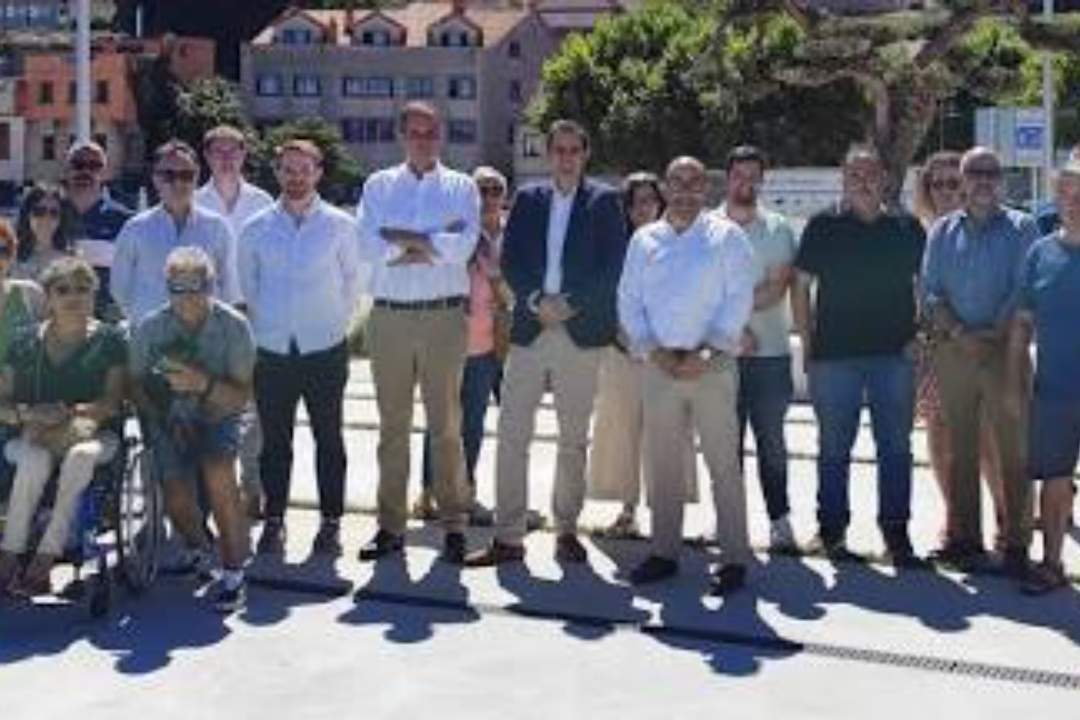
THE PORT OF VIGO OPENS A NEW SUSTAINABLE AND ACCESSIBLE PUBLIC SPACE TO THE CITY NEAR AREALONGA BEACH
• The chairman of the Port Authority of Vigo, Carlos Botana, visited the completed works this morning together with local residents. • The project has created an open 875 m² square that prioritises pedestrian use and removes visual barriers to the sea. • The project, which involved an investment of 290,000 euros, stands out for its commitment to sustainability, the circular economy, solar energy, awareness-raising and environmental sensitivity.
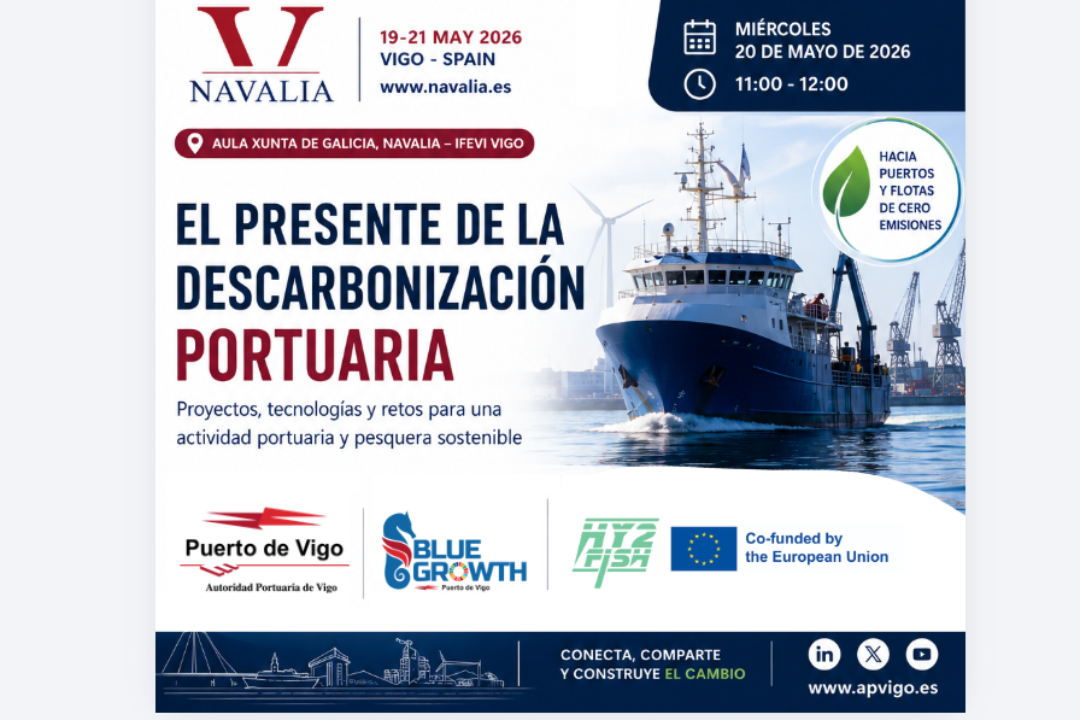
THE VIGO PORT AUTHORITY IS ORGANISING A WORKSHOP ON DECARBONISATION IN THE MARITIME AND FISHERIES SECTOR AT NAVALIA
The Blue Growth strategy will address the main challenges of the energy transition in the maritime sector, as part of a conference organised by the Vigo Port Authority. The session will bring together institutional representatives, companies, technology centres and European projects linked to hydrogen, electrification and energy efficiency applied to the port and fishing sectors, with the aim of analysing the challenges of the energy transition and the implementation of new sustainable solutions in the maritime and port sector. The session will provide an opportunity to showcase projects and initiatives linked to hydrogen, energy efficiency and emissions reduction in the maritime and fishing sectors, including the European HY2FISH project.
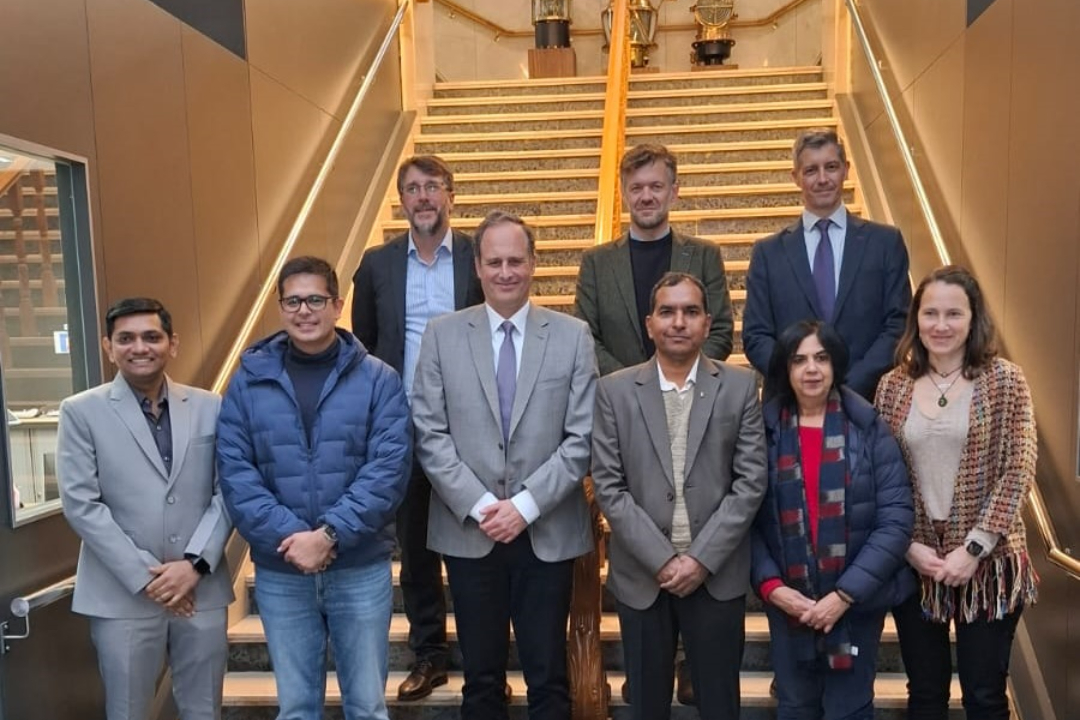
VIGO EXPORTS ITS BLUE PORT MODEL TO INDIA TO LEAD THE WAY IN GLOBAL FISHERIES SUSTAINABILITY
• A delegation from the country's government and its main fishing ports is currently visiting Galicia to see first-hand the success of the Port of Vigo's ‘Blue Growth’ strategy. • The visit is part of the FAO's Blue Ports initiative, which seeks to replicate Vigo's model of governance, innovation and sustainability in the Asian country.
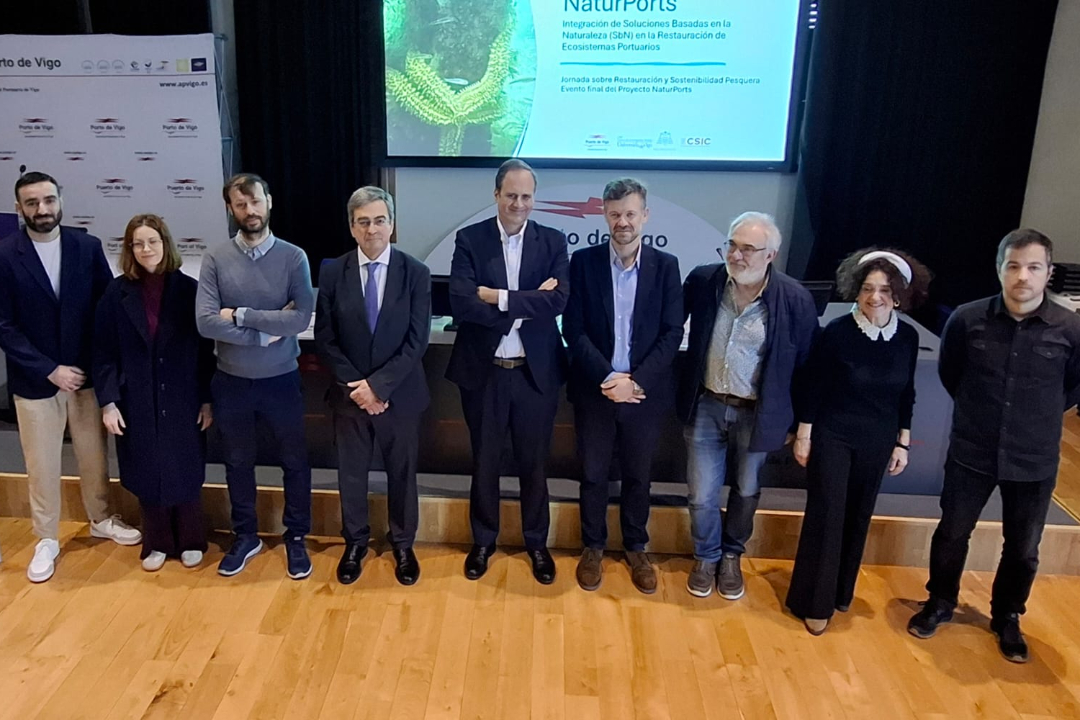
THE NATURPORTS PROJECT SUCCESSFULLY COMPLETES THE TRANSFORMATION OF PORTS INTO OASES OF MARINE BIODIVERSITY
The initiative, coordinated by the Vigo Port Authority, has achieved the colonization of 170 species in biomimetic structures and the recovery of 0.2 hectares of protected seagrass beds. Carlos Botana highlights that the success of NaturPorts positions Vigo as an international benchmark in the blue economy and port sustainability.
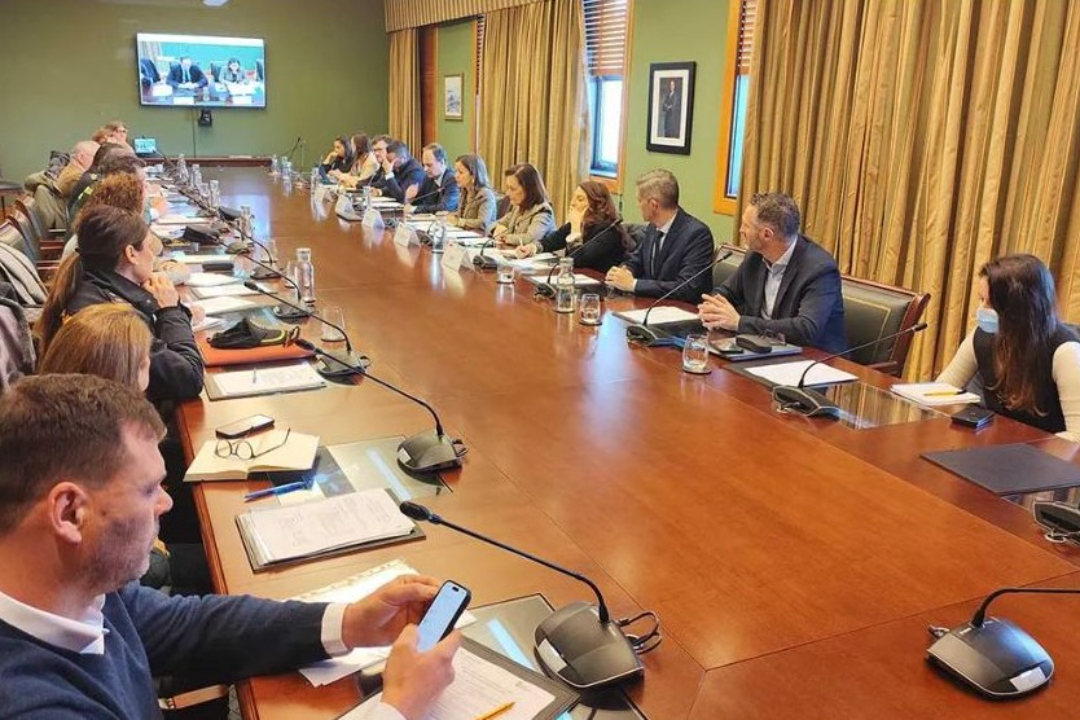
THE PORT OF VIGO WELFARE COMMITTEE MAKES PROGRESS IN DEFINING SOCIAL PRIORITIES FOR 2026
The body analyzed the balance of actions carried out in 2025 and the lines of work planned for this year. Stella Maris assisted 550 crew members during the past year and the Port Police collected more than 3,000 toys with its Christmas campaign. The Committee discussed the creation of an operational subcommittee and possible funding channels for future actions.
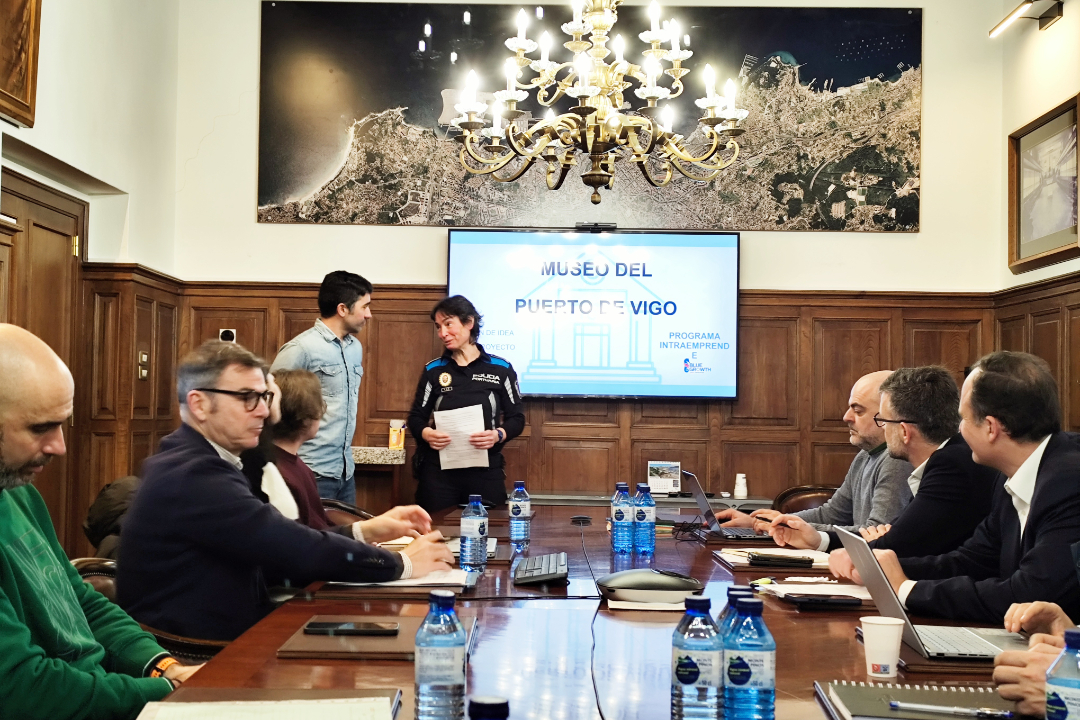
THE PORT OF VIGO WILL HAVE A NEW INTERACTIVE MUSEUM DESIGNED BY ITS OWN EMPLOYEES
• The implementation phase of the finalist projects of the 1st edition of the APVIGO Intraemprende programme is underway. • Jairo Mera and Noemí Sío are leading the creation of a space that combines historical dissemination and smart tourism. • Alberto López is designing a digital solution that acts as a virtual trainer, integrating personalised physical activity and nutrition plans. • Laura Otero's ‘Ondiñas’ programme will promote career guidance and closer ties between Vigo and its port.
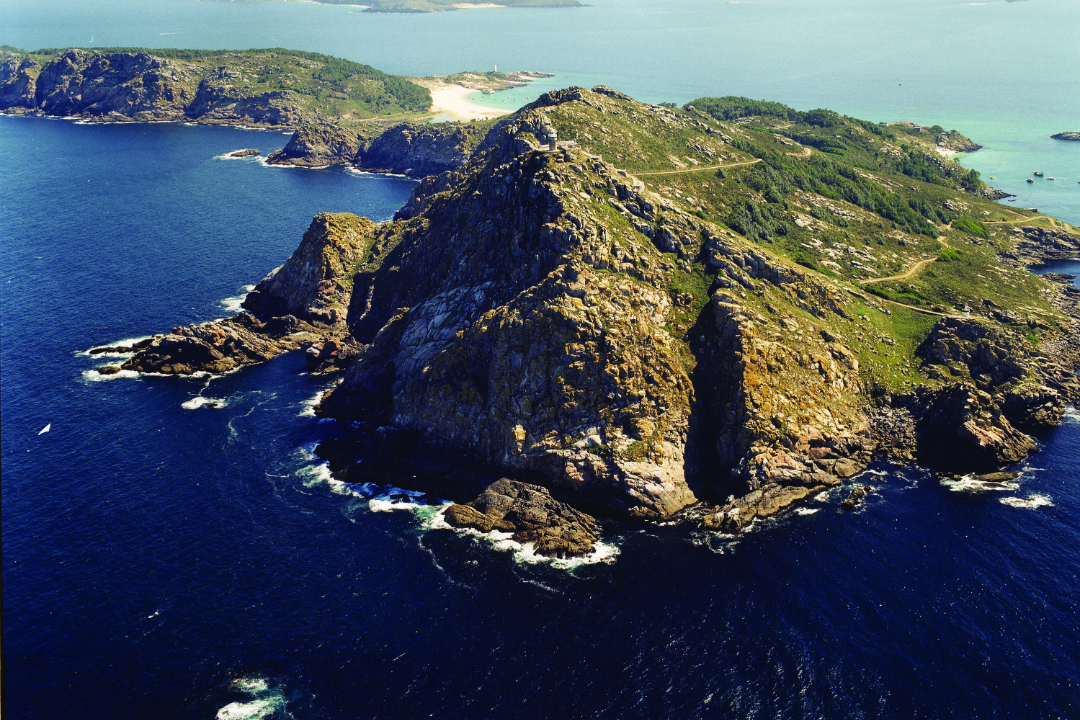
APV and Xunta Commit to Working Together for Zero-Emission Cíes Islands
• During a visit by the Port Authority’s top official, Carlos Botana, and the Regional Minister for Environment and Climate Change, Ángeles Vázquez • With an investment of nearly €800,000, the Port of Vigo has implemented and planned a series of projects focused on sustainability, safety, and energy efficiency in this natural enclave • APV plans to replace the lighthouse dome and rehabilitate the adjoining building for possible use as a museum or interpretive space
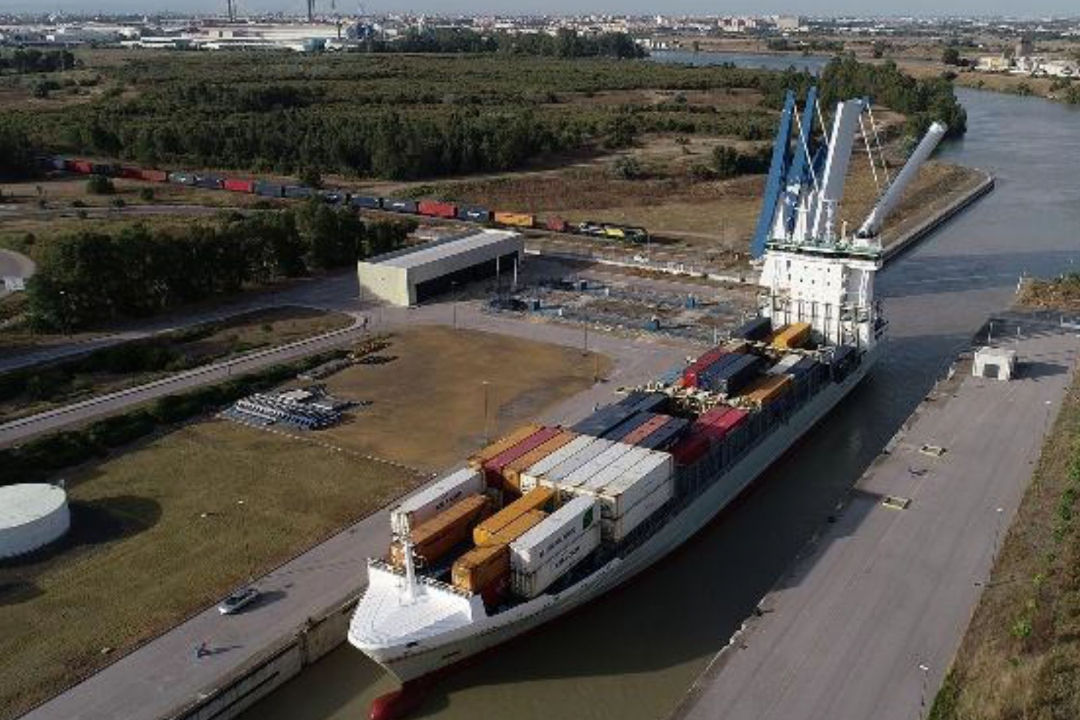
Green hydrogen in the Atlantic Area ports - On track for development of ports action plans and decision-making tool
The HYDEA project, which is funded by the Interreg Atlantic Area 2021-2027 programme, was set up to boost the hydrogen transition in the Atlantic Area ports. During the second year of the project, the 10 members of the consortium committed into structuring methods that will enable the development of valuable tools such as action plans for ports and a decision-making tool based on real case studies. HYDEA partners have also launched three calls to provide access to their experimental facilities and expertise to support the development and testing of pre-commercial, innovative technologies.