Blue Growth Vigo Plan, an example of blue growth in the annual report of the European Commission
Jul 3, 2018, 9:12:00 AM

La semana pasada se publicaba “The 2018 annual Economic Report on EU Blue Economy”, el informe en el que la Comisión Europea realiza una revisión de la situación de la economía azul en Europa, destacando su gran potencial en términos de inversión y de desarrollo socioeconómico. La CE ha analizado el estado actual y las tendencias futuras de los 6 sectores establecidos, y ha identificado nuevos sectores emergentes, que supondrán a su vez nuevas oportunidades de negocio y de crecimiento sostenible.
Los resultados del informe revelan que en algunos Estados Miembro, la economía azul ha crecido de manera más acentuada que su propia economía nacional, como es el caso de España.
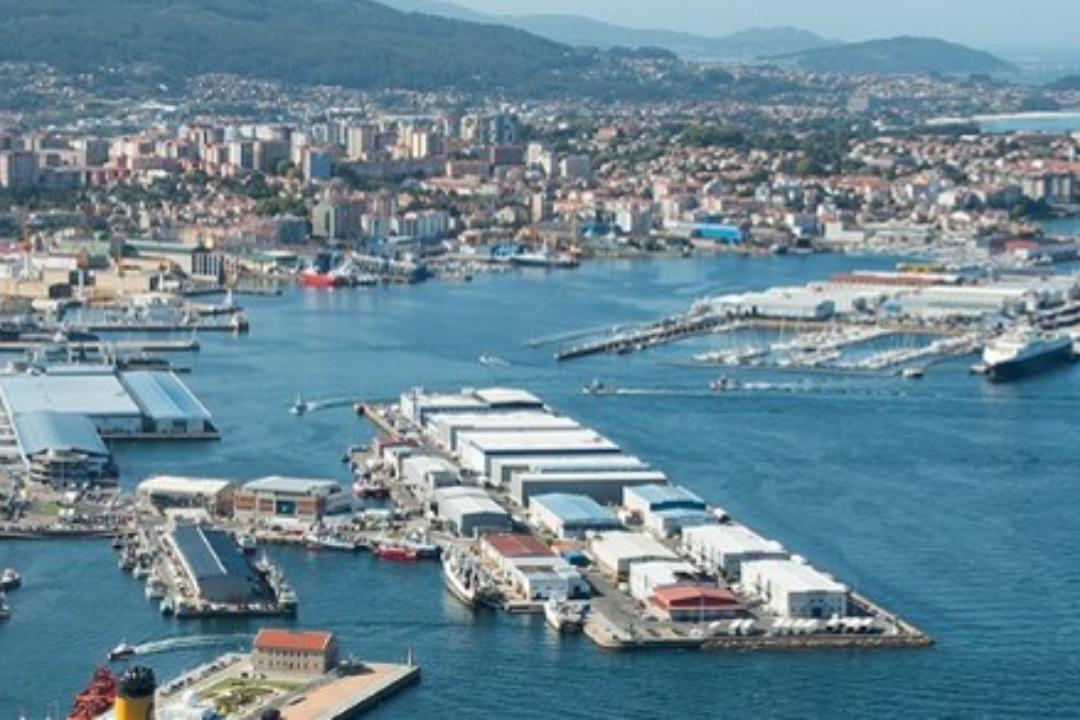
Además de ofrecer datos económicos, en este informe, la CE ha puesto en valor el esfuerzo realizado por el Puerto de Vigo y la Comunidad Blue Growth en el fomento de la economía azul, describiendo en uno de sus capítulos (caso de estudio 1) el Plan Blue Growth, puesto en marcha en 2016. A lo largo del caso de estudio, se describe el proceso de implementación del Plan Blue Growth en el Puerto de Vigo, así como sus objetivos y principales hitos alcanzados.
Consulta aquí el informe de la Comisión Europea
Related projects
Port 4.0
Freight and Maritime TransportMarInnLeg
Spin Off MarinlegFish Market 4.0 TTQS
Fresh FishSustainable and Humanised Fishing Fleet
ShipbuidlingTUTATIS nZE - Tutatis Zero emissions in Cíes Islands
Biotechnology and Blue EnergyS/F SamueLNG for a Blue Atlantic Arch
Biotechnology and Blue EnergyCore LNGas Hive
Biotechnology and Blue EnergyPort Greening
Biotechnology and Blue EnergyBlue Careers
History and TrainingSmart ViPort
Freight and Maritime TransportCentro de Documentación: Ría de Vigo
History and TrainingTurismof Vigo 2.0
Cruise TrafficLogistic Hub 4.0
Freight and Maritime TransportAssociation of Nautical Entities Ría de Vigo - ARIVEN
Spin Off ArivenVigo international fishing excellence pole
Fresh Fish