Green hydrogen in Atlantic Area ports: first concrete results of the European HYDEA project
Oct 14, 2024, 6:11:00 PM

The HYDEA
project, led by our center and funded by the Interreg Atlantic Area 2021-2027
program, was born to boost the transition to hydrogen in the ports of the
Atlantic Area. One year after its launch, the 10 partners from Ireland, France,
Portugal and Spain presented the first concrete results: the creation of an
interactive map of the main hydrogen initiatives in the Atlantic Area ports,
the identification of the most promising hydrogen applications, bottlenecks and
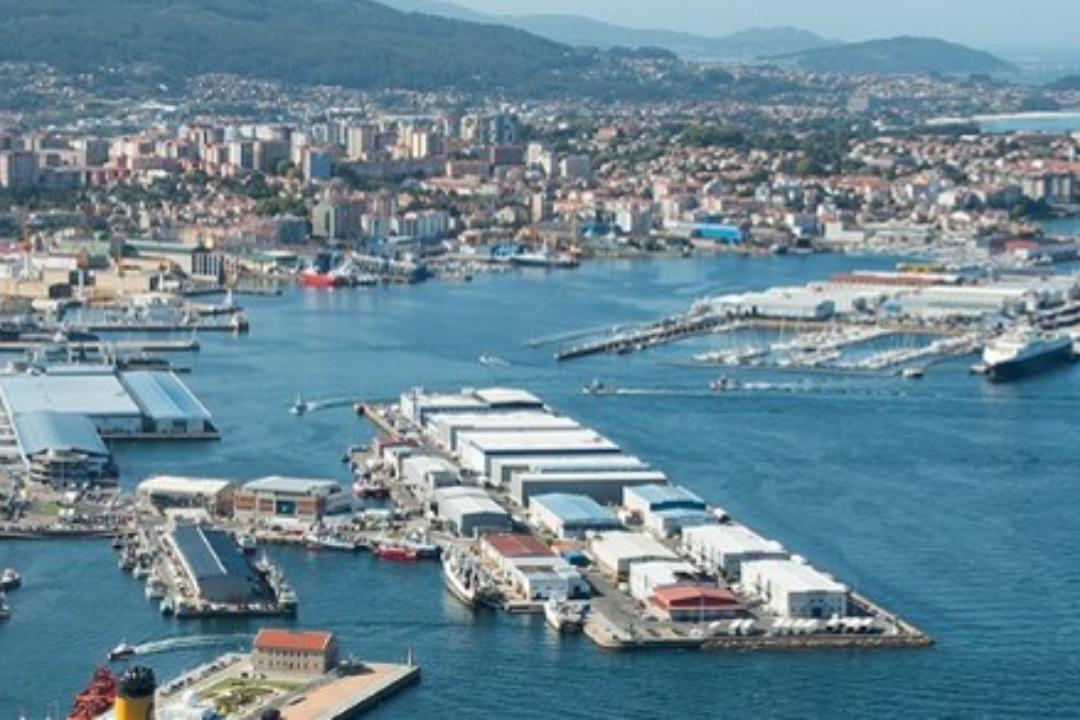
opportunities in the ports of Brest, Leixões, Vigo and Seville, and the
organization of international discussions on safety and security issues.
Interactive
map of major hydrogen initiatives available
This map
contains information on the main present and planned hydrogen-related
initiatives in the ports of the Atlantic Area regions, and serves to locate the
main projects, their characteristics and the partners involved. It provides a
comprehensive overview of the role that ports are taking in the hydrogen
economy and an insight into the project models that are being implemented. The
information on this map is completed with partner searches, but also with
information from promoters who want to make their respective projects more
visible. It is available free of charge at https://www.eu-hydea.eu/resources/
Opportunities
identified in Atlantic Area ports
The first
step was to identify the most promising green hydrogen technologies and
applications, based on statistical analysis of the literature that considers
critical aspects such as cost, energy efficiency and decarbonization effects.
Subsequently, significant work was carried out to describe the main technical,
economic, social and regulatory barriers to the implementation of
hydrogen-based infrastructures at ports in the study regions. This work was
based on literature review and expert knowledge. A study was then carried out
to identify opportunities for the development of the hydrogen economy in the
ports of Brest, Leixões, Vigo and Seville, considering their dependence on
hydrogen value chains. All this work has resulted in public reports that can be
downloaded from the HYDEA project website.
ð More
information: https://www.eu-hydea.eu/resources/
International
discussions on safety issues in October 2024
To achieve
the goal of greener shipping, ports, shipping companies and energy industries
must work together to align their own transition plan, with realistic steps
covering the maturity of new green fuels, the availability of an energy
distribution network and adequate shipping fleets. Indeed, there are several
strategic challenges that need to be identified, discussed and mitigated.
Therefore, it is important to organize events to build a common vision and
framework to establish a shared roadmap for all European stakeholders. HYDEA
has been in close collaboration with three European sister projects- GREEN
SUPPLY CHAINS, NORTH SEA H2 VALLEY PORTS, DIOL. the HYDEA partners are
organizing a workshop and open discussion on October 16, 2024 in Brest, France,
during the international Sea Tech Week event.
ð More
information on these events at: https://www.eu-hydea.eu/news/
Related projects