VIGO EXPORTS ITS BLUE PORT MODEL TO INDIA TO LEAD THE WAY IN GLOBAL FISHERIES SUSTAINABILITY
Mar 2, 2026, 4:00:00 PM
- A delegation from the Indian Government and its main fishing ports is currently visiting Galicia to see first-hand the success of the Port of Vigo's ‘Blue Growth’ strategy.
- The visit is part of the FAO's Blue Ports initiative, which seeks to replicate Vigo's model of governance, innovation and sustainability in India.
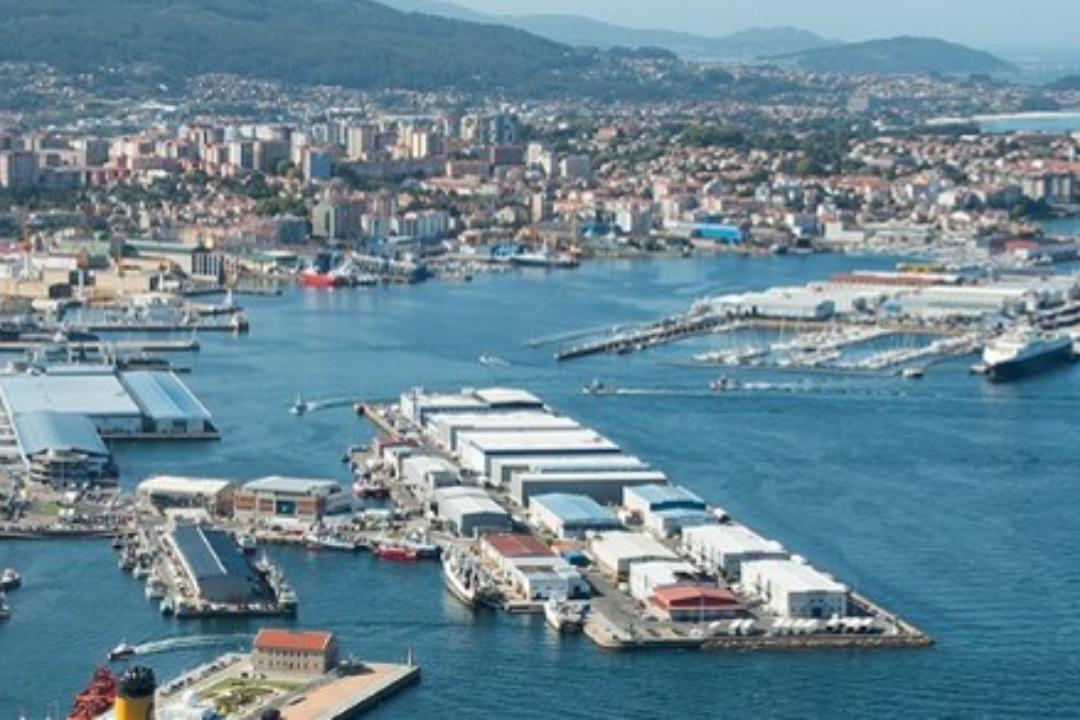
The Port of Vigo continues to strengthen its position as an international benchmark in maritime sustainability after being chosen by the Government of India, in conjunction with the Food and Agriculture Organisation of the United Nations (FAO), as a model to follow for the modernisation of its fishing infrastructure.
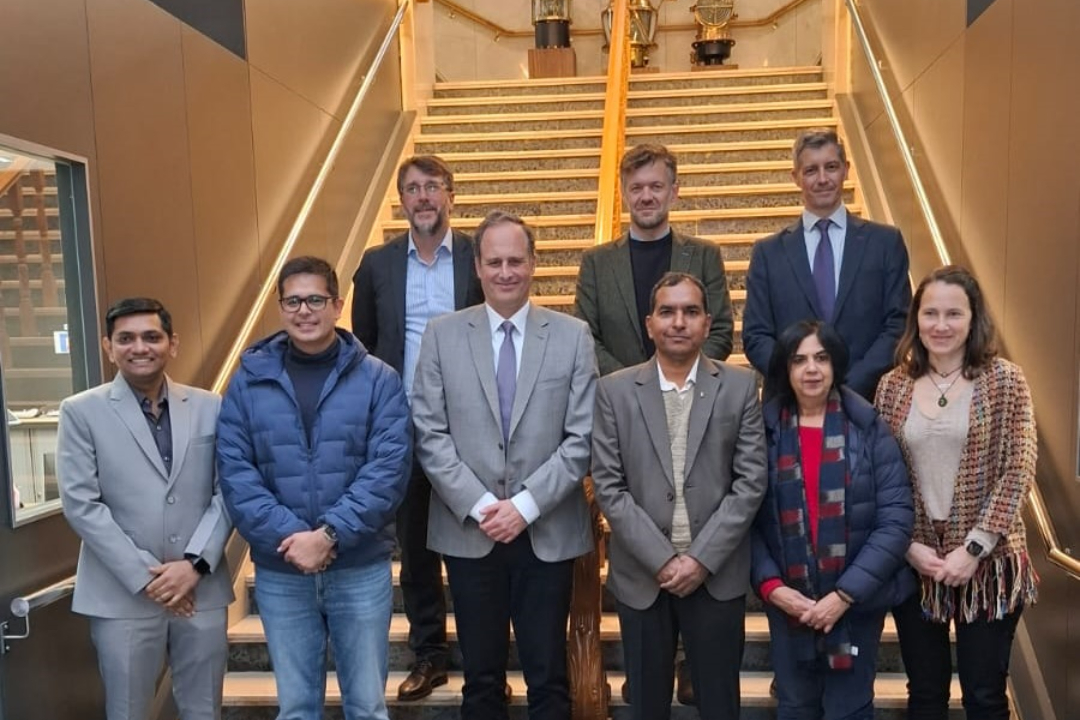
In this context, a high-level delegation from the country will visit the Port of Vigo this week, as well as other parts of the Galician Community, with the aim of studying the good governance and sustainability practices implemented at the Vigo terminal.
The delegation, made up of representatives from the Indian national government and two pilot fishing ports in the country, was welcomed this morning by the president of the Vigo Port Authority, Carlos Botana, together with part of his management team. The main objective of this technical mission is to learn about the implementation process of the ‘Blue Port’ approach, a path that Vigo began in 2016 with its pioneering Blue Growth Plan.
Vigo: a mirror for the global fishing industry
The choice of Vigo is no coincidence. The port is a pioneer in the comprehensive implementation of the European Commission's sustainable blue economy strategy, which focuses on technological innovation, sustainable economic recovery and the creation of quality jobs.
During their stay, the Indian technicians will learn about key projects such as Lonja 4.0 and self-sufficiency. A model of digitalisation, traceability and energy efficiency that seeks to reduce emissions by 37% and cover 20% of its consumption with solar energy.
International cooperation with the FAO
This visit is part of the FAO's Blue Ports Initiative (BPI), which is being promoted by the Vigo Port Authority and the Regional Government of Galicia. The programme aims to turn fishing ports around the world into hubs of social, economic and environmental value for their territories.
After their visit to Vigo, the delegation's agenda includes technical visits to the ports of Baiona, where they will learn more about the coexistence of fishing and tourism, and Cambados, to learn about the management of medium-sized ports and the processing sector, as well as seeking synergies with different sectors by visiting Aclunaga and various fishing companies.
Through this collaboration, the Port of Vigo reaffirms its strategic commitment to promoting high standards of sustainability at a global level, sharing its knowledge to drive energy transition and responsible competitiveness in the international fishing industry.
The Indian delegation is composed of Rajiv Pratap Dubey, from the Ministry of Fisheries, Shivam Teotia, Director and Deputy Secretary of the Union Territories of Dadra and Nagar Haveli and Daman & Diu, Prashant Rameshbhai Sarsariya, Executive Engineer of the Government of Gujarat, Gandhinagar, Dr. R. Suresh, specialist in Automation and Socioeconomics, and Cristina Izaguirre, consultant for the FAO Blue Ports Initiative.