May 2, 2019, 2:13:00 PM
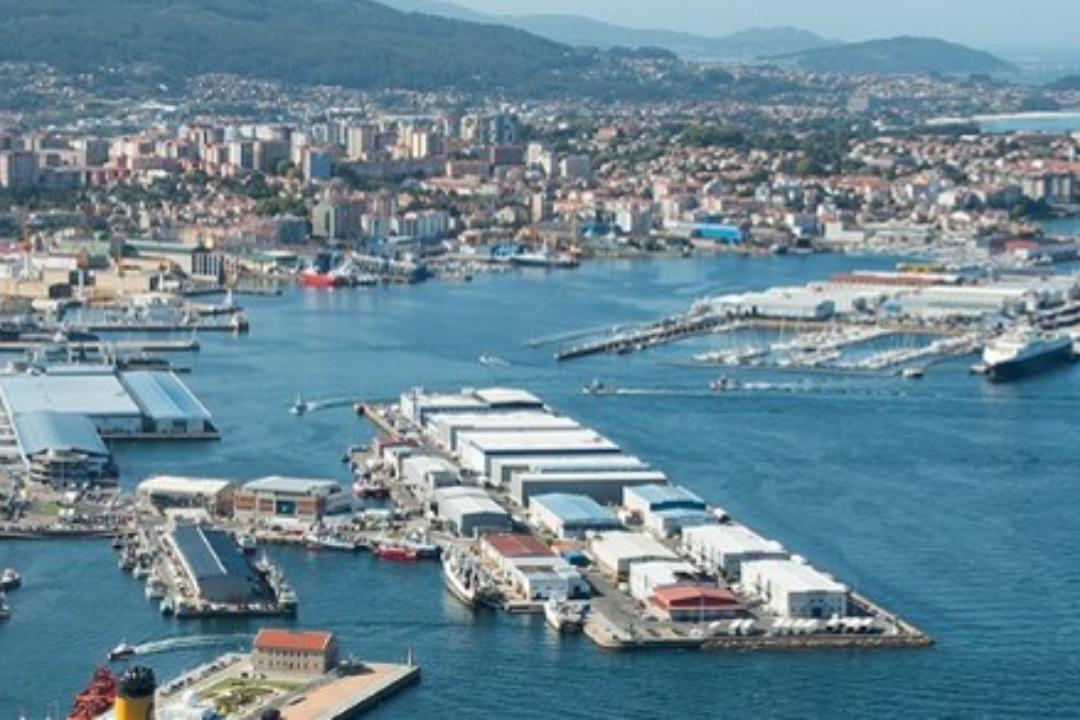
El desarrollo de las actividades ligadas a los entornos portuarios ha traído consecuencias ambientales a lo largo de los años, como la pérdida o fragmentación de hábitats, la disminución de la calidad de agua e impactos sobre los organismos marinos.
En los últimos años, la Autoridad Portuaria de Vigo ha realizado un gran esfuerzo en la reducción y control de los vertidos en sus aguas, consiguiendo la disminución de este riesgo hasta los más altos estándares. En esta línea, bajo su Plan Blue Growth, el Puerto de Vigo ha diseñado el proyecto Peiraos do Solpor, cuyo objetivo es potenciar el incremento de la biodiversidad en zonas portuarias como elemento reductor de emisiones de CO2.
Este proyecto cuenta con la colaboración de diferentes entidades y se implementará de modo secuencial: fase de estudio piloto de estructuras para colonización de organismos, fase de cultivo y siembra de organismos, fase de construcción de un pantalán flotante a modo de observatorio y una última fase en la que se proyecta un muelle de uso recreativo.
El próximo día 07 de mayo de 2019, a las 10:00, se celebrará la jornada de presentación de Peiraos do Solpor en el Edificio de Sesiones de la Autoridad Portuaria de Vigo. En esta jornada, en la que participará la Conselleira de Medio Ambiente, Territorio e Vivenda, se podrá conocer más en detalle la fase I y la fase II de este proyecto.
Related projects
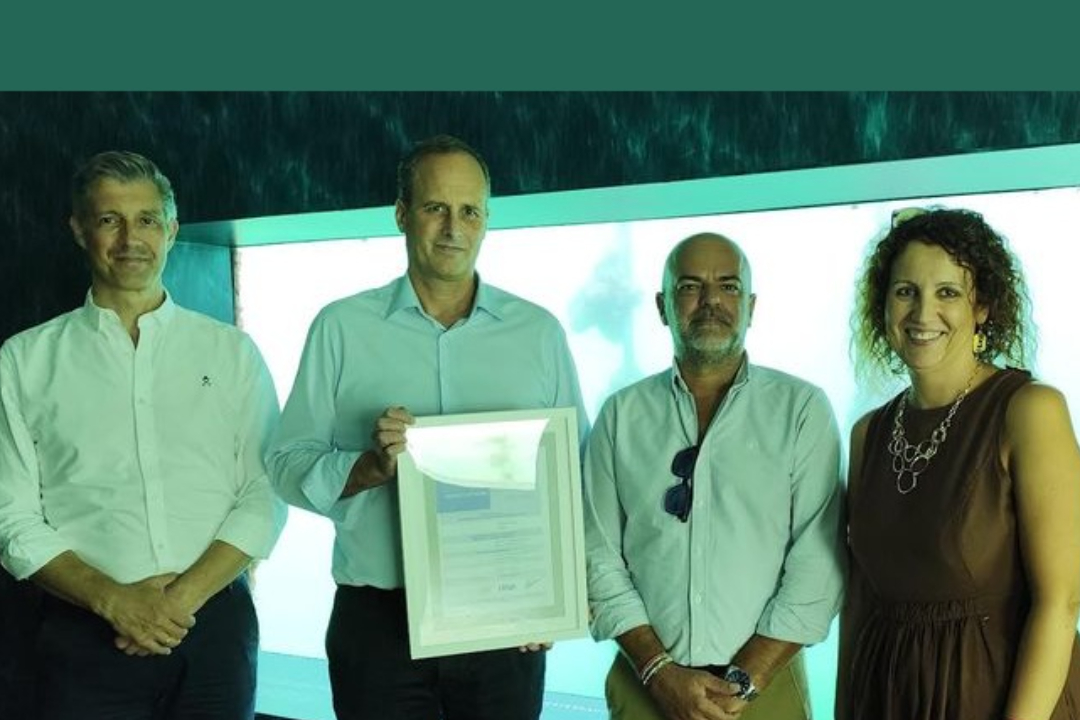
• The institution renews this port-sector-specific standard, promoted by EcoPorts, which recognises excellence in environmental management and impact assessment. • The renewal of the PERS certification adds to an integrated system bearing ISO certification in quality, environment, safety and energy management, in addition to the EMAS III registration. • The Port Authority integrates this certification within a comprehensive strategy that covers continuous monitoring, spill response, the circular economy and the restoration of marine biodiversity.
A tool for testing green hydrogen deployment scenarios in ports As interest in green hydrogen as a pathway to decarbonisation grows, so does the need for practical tools to help stakeholders assess the technical, economic and operational considerations of developing hydrogen infrastructure, from production and storage through to transport and end use. Since HYDEA's main objective is to drive the hydrogen transition in ports across the Atlantic Area, the project set out to develop a decision-support tool for hydrogen applications in ports. The main aim of this open-source tool, called HyTEA 1.0, is to support techno-economic assessment and decision-making in the planning and development of green hydrogen supply chains. It was developed by researchers at the University of Galway, a partner in the HYDEA consortium.
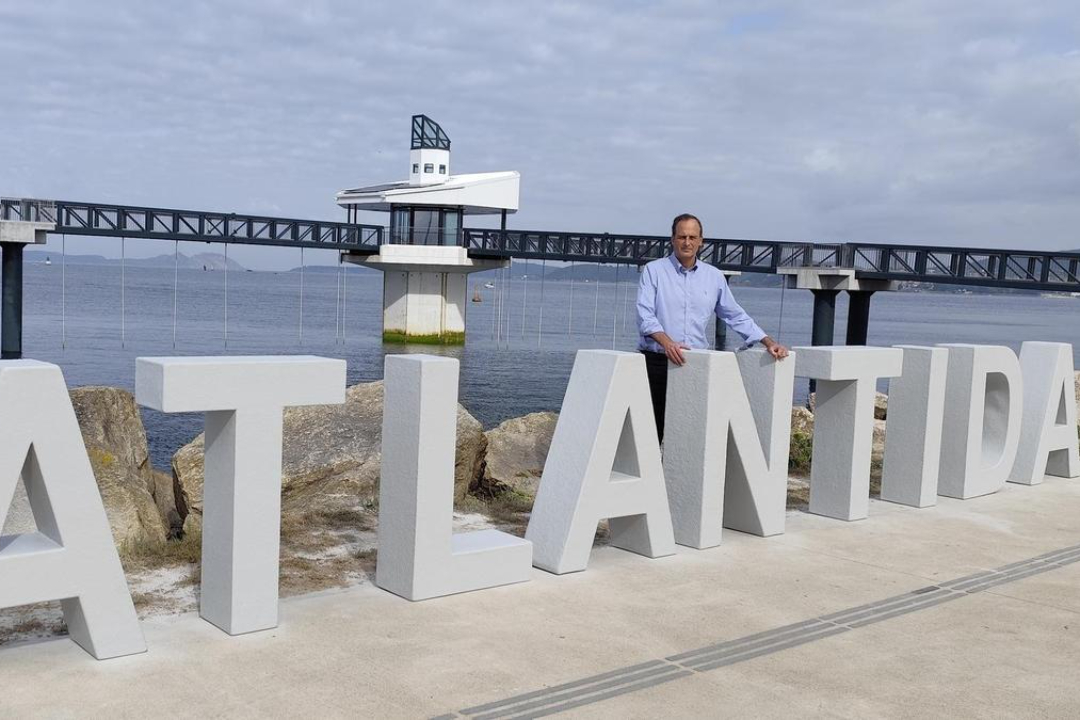
• The APV once again draws inspiration from Jules Verne and his "Twenty Thousand Leagues Under the Sea" to bring "Atlántida" to life, evoking Captain Nemo and the crew of the Nautilus, who walked the seabed discovering the hidden treasures of the submerged realm. • Admission will be free, with guided visits on Tuesdays, Wednesdays and Thursdays from 4:00 pm to 8:00 pm, and on Fridays, Saturdays, Sundays and national public holidays from 11:00 am to 2:00 pm and from 4:00 pm to 8:00 pm. • Visitors will be able to observe first-hand the daily routine of the various marine species that inhabit this ecosystem, such as white seabream, common two-banded seabream, ballan wrasse, seabass, cuttlefish, bogue and the distinctive triggerfish.