Feb 27, 2019, 4:11:00 PM
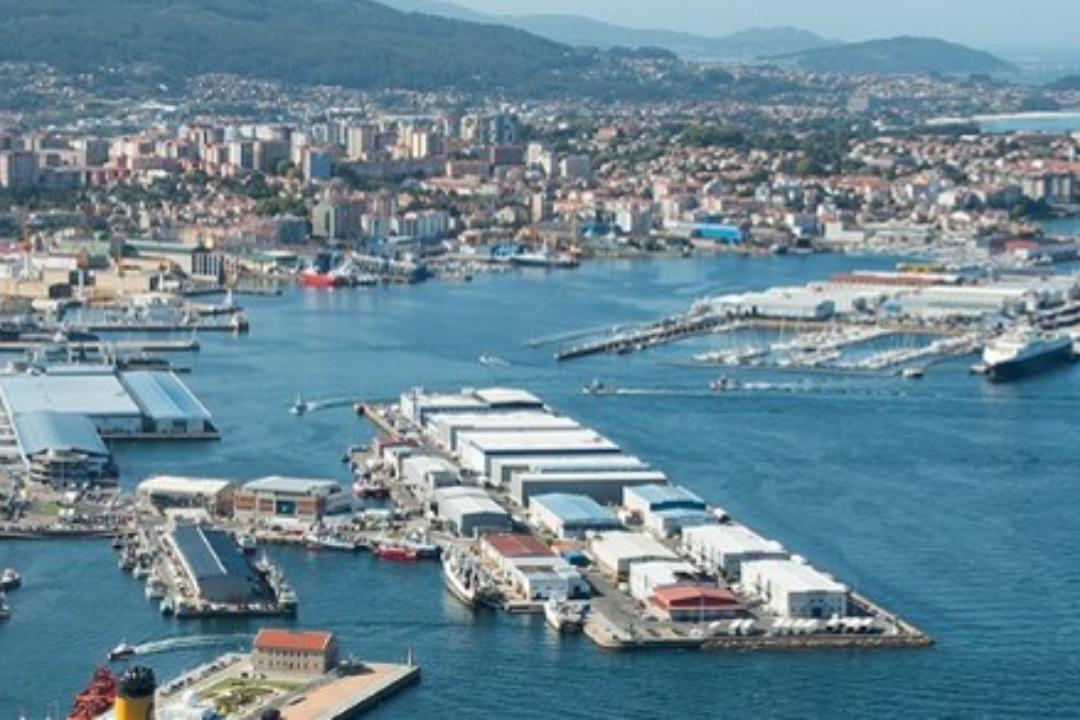
La estrategia de crecimiento sostenible "Blue Growth" colocó al de Vigo como el único español entre el reducido grupo de candidatos que optaban al premio Neptune como "Puerto Verde del Año". Finalmente ha sido Hamburgo el que se ha llevado el galardón.
Los prestigiosos "Neptune Awards" se celebran en el marco de la "GreenTech Shipping Global Forum", un foro líder en Europa en sostenibilidad y eficiencia en la industria marítima que reúne en Hamburgo a representantes de armadoras, proveedores de servicios además de representantes de los más importantes puertos europeos, entre otros, el anfitrión alemán, Amberes o Rotterdam.
Hasta Hamburgo se ha desplazado el jefe del Departamento de Sostenibilidad del Puerto de Vigo. Desde este martes, cuando comenzó la conferencia internacional, Carlos Botana ha explicado a los asistentes las numerosas iniciativas del Crecimiento Azul impulsadas por el Puerto de Vigo "con el objetivo principal de demostrar que los puertos pueden ser autosuficientes energéticamente utilizando energías renovables y sostenibles en el transporte marítimo", destaca la institución olívica en un comunicado.
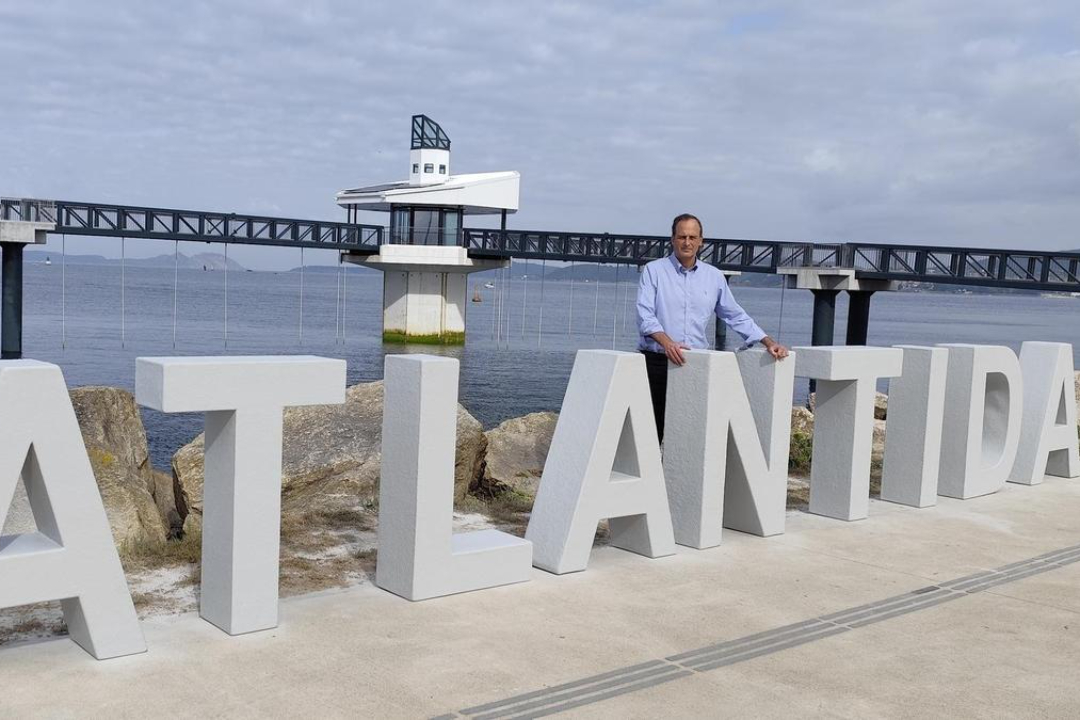
El directivo vigués citó el proyecto Core LNgas Hive dirigido a la reducción de las emisiones contaminantes durante las escalas de barcos mediante un funcionamiento eléctrico suministrado con Gas Natural Licuado; o el "Peirao do Solpor" que persigue la demostración del poder generador de riqueza ecológica a través de estructuras sumergidas suspendiéndolas de una nueva zona de paseo en la escollera exterior de Bouzas.
Ver noticia en su fuente original: Faro de Vigo
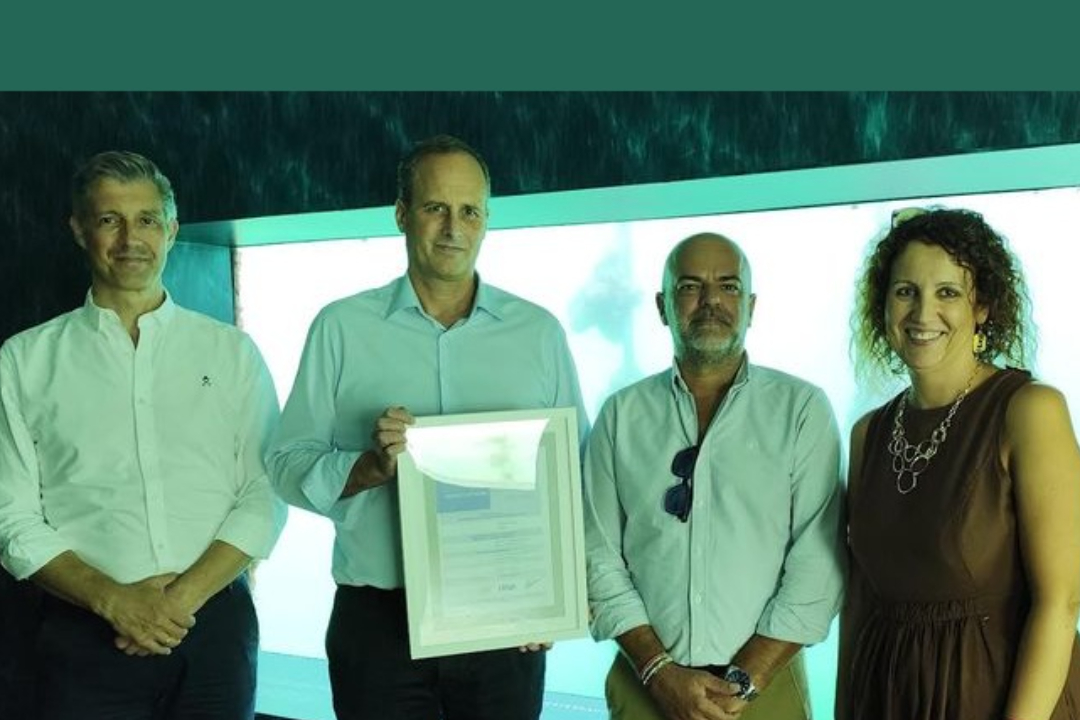
• The institution renews this port-sector-specific standard, promoted by EcoPorts, which recognises excellence in environmental management and impact assessment. • The renewal of the PERS certification adds to an integrated system bearing ISO certification in quality, environment, safety and energy management, in addition to the EMAS III registration. • The Port Authority integrates this certification within a comprehensive strategy that covers continuous monitoring, spill response, the circular economy and the restoration of marine biodiversity.
A tool for testing green hydrogen deployment scenarios in ports As interest in green hydrogen as a pathway to decarbonisation grows, so does the need for practical tools to help stakeholders assess the technical, economic and operational considerations of developing hydrogen infrastructure, from production and storage through to transport and end use. Since HYDEA's main objective is to drive the hydrogen transition in ports across the Atlantic Area, the project set out to develop a decision-support tool for hydrogen applications in ports. The main aim of this open-source tool, called HyTEA 1.0, is to support techno-economic assessment and decision-making in the planning and development of green hydrogen supply chains. It was developed by researchers at the University of Galway, a partner in the HYDEA consortium.
• The APV once again draws inspiration from Jules Verne and his "Twenty Thousand Leagues Under the Sea" to bring "Atlántida" to life, evoking Captain Nemo and the crew of the Nautilus, who walked the seabed discovering the hidden treasures of the submerged realm. • Admission will be free, with guided visits on Tuesdays, Wednesdays and Thursdays from 4:00 pm to 8:00 pm, and on Fridays, Saturdays, Sundays and national public holidays from 11:00 am to 2:00 pm and from 4:00 pm to 8:00 pm. • Visitors will be able to observe first-hand the daily routine of the various marine species that inhabit this ecosystem, such as white seabream, common two-banded seabream, ballan wrasse, seabass, cuttlefish, bogue and the distinctive triggerfish.