Vigo schools strengthen their connection to the sea at the 2025 Blue Fest
May 23, 2025, 4:00:00 PM
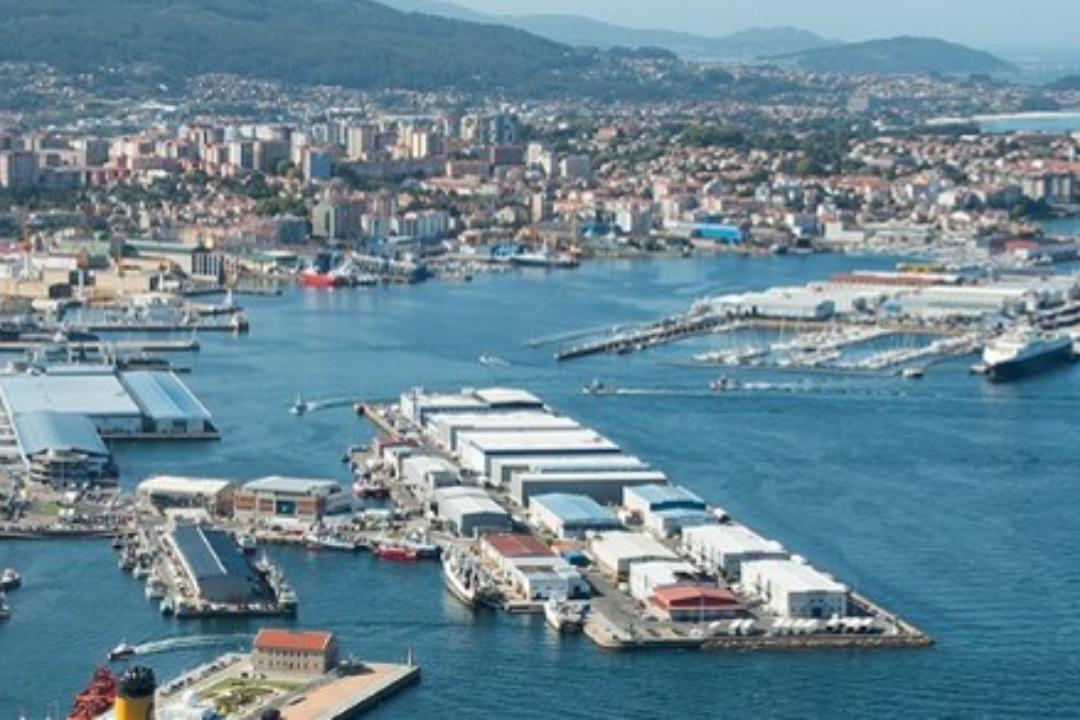
The Vigo Bay
once again became a space for learning, discovery, and connection with the sea
during the 2025 edition of Festival Azul. On the mornings of Thursday, May 22,
and Friday, May 23, over 500 students from six schools in Vigo and the
metropolitan area took part in a full schedule of activities combining nautical
sports, environmental education, and maritime cultural traditions. The program
was specially designed to foster a connection between young people and their
natural environment, as well as the maritime heritage and culture of the
region.
The
participating schools in this fifth edition of the festival were: Colegio Ría
de Vigo, Colegio Mariano, Colegio Labor, Colegio Lar, IES Castelao, and Colegio
Frián de Teis. Over the course of two days, students were introduced to
Galician maritime culture from various perspectives in an environment that
encouraged direct interaction with the marine ecosystem and its values.
Among the
highlights were the redeiras workshop, focused on the traditional craft of net
mending; a sailing initiation session, offering students their first experience
aboard a sailboat; and a seafood cooking workshop, where participants explored
the region’s rich culinary traditions.
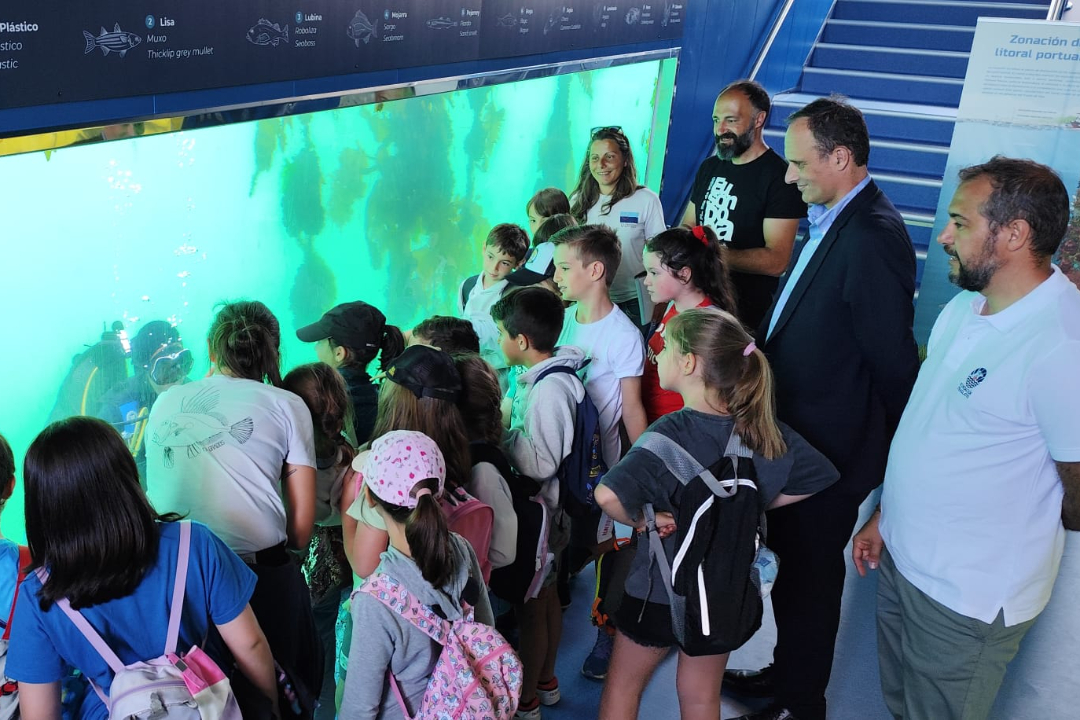
The
experience also included a visit to the Nautilus underwater observatory, a tour
of the historic Hidria Segundo ship, an exhibition of traditional boats, a
cetacean workshop, and a boat trip featuring a narrated history of the Battle
of Rande, blending storytelling, landscape, and marine science.
Organized
by the Rías Baixas Nautical Cluster Association, Festival Azul continues to
grow as a leading educational and cultural initiative. Once again, this event
promotes awareness of the marine environment, encourages respect for the
biodiversity of the bay, and highlights the maritime trades and knowledge that
are essential to Galician identity.
In addition to the school activities, Festival Azul 2025 will continue through Sunday, May 25, offering a public program that includes water sports such as sailing, surfing, kayaking, and paddleboarding, as well as bay tours, seafood showcookings with local products, visits to historic vessels, and maritime culture workshops. Registration for these activities has been open since May 14 on the Rías Baixas Nautical Cluster Association’s website and social media: https://www.ariven.es/blog/2025/05/13/comeza-o-festival-azul-nas-rias-baixas/
The
festival is supported by the Consellería do Mar, the General Secretariat for
Sport, the Pontevedra Provincial Council, the Port Authority of Vigo, and
Abanca, with special collaboration from companies such as Gadis and Anfaco. It
is now a must-attend event for all audiences and a driving force for
sustainable development linked to the sea and Galicia’s maritime identity.