THE PORT OF VIGO HOSTS A NEW FAO TRAINING COURSE FOCUSED ON FISHERIES LEGISLATION
Jul 7, 2026, 10:34:00 AM
• Carlos Botana welcomed the
22 students from Costa Rica, Ecuador, Equatorial Guinea, Panama, Peru, El
Salvador, Brazil, Chile and Argentina, and highlighted the close collaboration
with the international organisation since 2016.
• He highlighted the
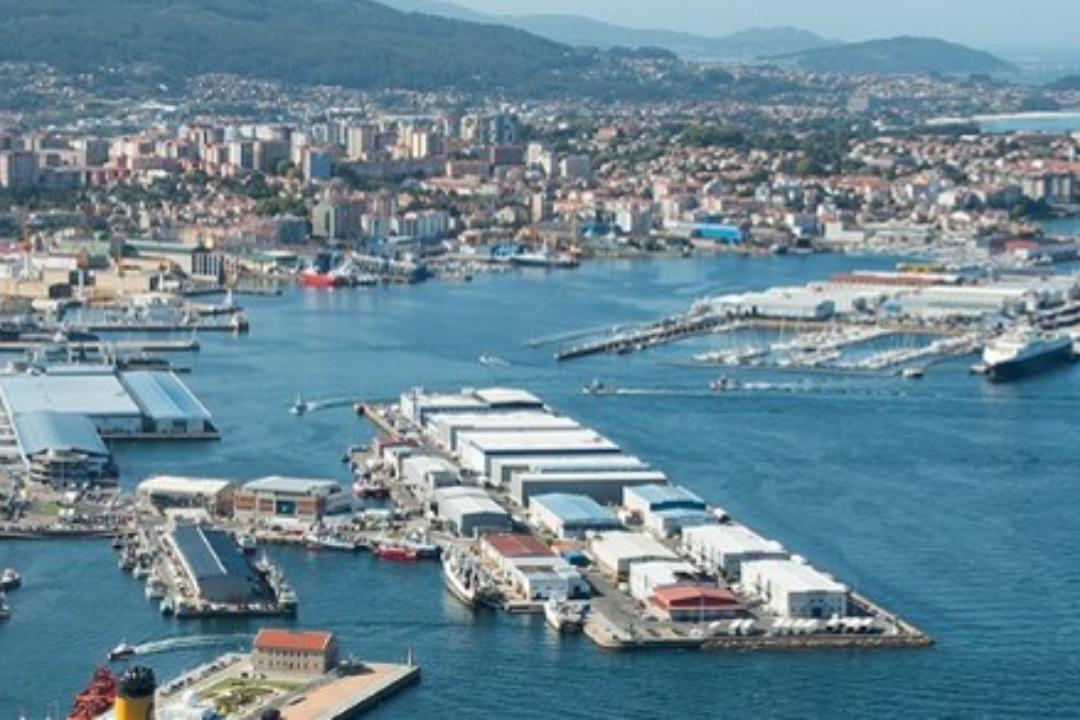
socioeconomic weight of the Port of Vigo, which handles close to 900,000 tonnes
of fish a year and generates 5,000 direct jobs in the fresh-fish sector alone.
• First training session of
the International Course on the implementation of fisheries legislation under
the Port State Measures Agreement (PSMA), which is also celebrating its 10th
anniversary.
The Port of Vigo hosted this
morning the opening ceremony of a new training course organised by the Food and
Agriculture Organization of the United Nations (FAO), focused on fisheries
legislation and inspection.
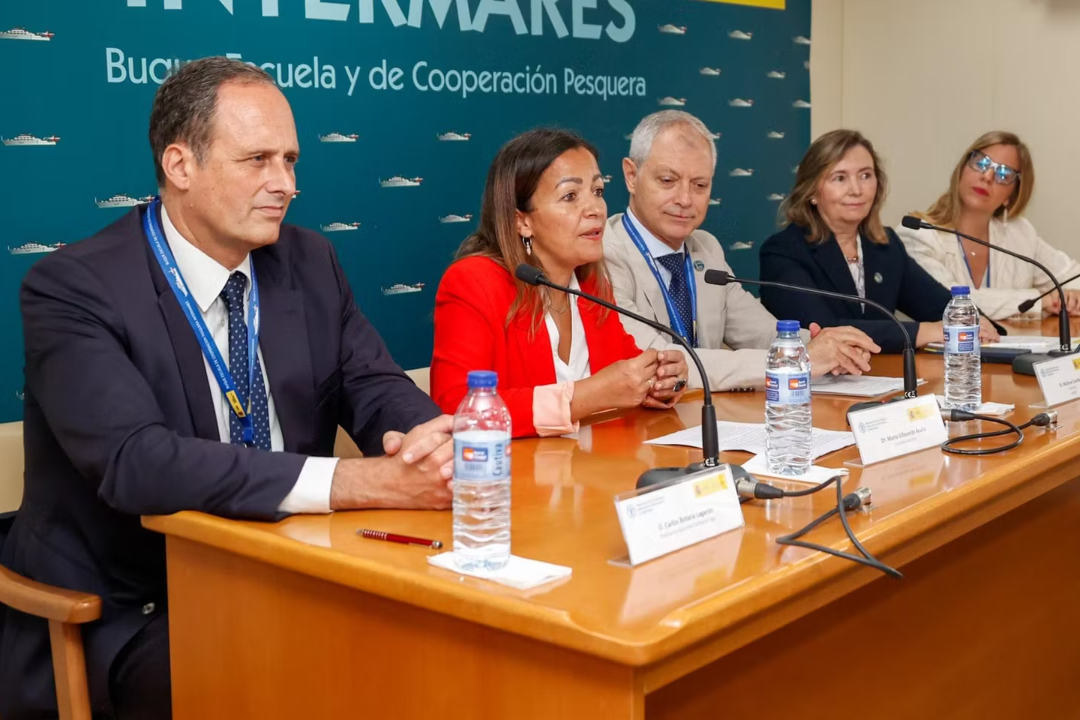
Aboard the vessel
"Intermares", belonging to the General Secretariat for Fisheries and
docked at the Muelle de Trasatlánticos for the next two weeks, the chairman of
the Port Authority of Vigo, Carlos Botana, welcomed those attending — among them
the Secretary General for Fisheries, Isabel Artime; the PSMA Secretary and Team
Leader for PSMA, Fishing Operations and Compliance at FAO, Matthew Camilleri;
the Galician Minister for the Sea, Marta Villaverde; the EFCA Deputy Head of
Unit, Patricia Sánchez, along with lecturers and students from Costa Rica,
Ecuador, Equatorial Guinea, Panama, Peru, El Salvador, Brazil, Chile and
Argentina — underlining how proud the institution is to once again become a hub
for international fisheries training.
In his address, Botana
highlighted the long history of cooperation with FAO, which began with the Blue
Ports Network — an alliance that now brings together more than 30 countries and
numerous ports — and continues to grow through the specialised training of
fisheries inspectors. "The sea has great potential to generate wealth, but
that is only viable if there is a level playing field, responsible inspection
and legislation that protects our fishermen," he said.
The port of the people and the blue economy
As Europe's leading fishing
port, Vigo handles close to 900,000 tonnes of fish a year (fresh, frozen and
canned combined). However, the chairman chose to focus on the social impact of
fresh fish: "Vigo is the port of the people. Although the volume is
smaller than that of frozen fish, the 40,000 tonnes of fresh fish generate
5,000 direct jobs in traditional sectors such as net menders, wholesalers,
shipowners and stevedores. It is a network that is vital to the region's
economy."
He also outlined the port's
technological and sustainability advances, such as its automated fish market,
which runs on solar power and features a pioneering traceability system that
cross-references data in real time with the Xunta de Galicia and the General
Secretariat for Fisheries.
Finally, he reviewed the
achievements of the Blue Growth strategy, implemented since 2016, which has led
to almost 60 innovation projects and initiatives with significant social
impact, such as the Welfare Committee for foreign crews.
Lastly, Carlos Botana took the opportunity to reaffirm his
commitment to FAO through the "Vigo Ocean Lab" project, a space
dedicated to training, the testing of maritime technologies and bringing the
oceans closer to the public.