THE PORT OF VIGO WILL HAVE A NEW INTERACTIVE MUSEUM DESIGNED BY ITS OWN EMPLOYEES
Feb 3, 2026, 6:00:00 PM
·
The implementation phase of the finalist projects of the 1st edition of
the APVIGO Intraemprende programme is underway.
·
Jairo Mera and Noemí Sío are leading the creation of a space that
combines historical dissemination and smart tourism.
·
Alberto López is designing a digital solution that acts as a virtual
trainer, integrating personalised physical activity and nutrition plans.
·
Laura Otero's ‘Ondiñas’ programme will promote career guidance and
closer ties between Vigo and its port.
The Port of Vigo has taken a decisive step
towards its cultural and social modernisation. After months of training under
the umbrella of the Blue Growth strategy, the institution chaired by Carlos
Botana has presented the results of the first edition of its intrapreneurship
programme, in which its own employees have dared to design the future of the
port.
The result of these months of training and
specialised mentoring has been four projects that will now move on to a
technical evaluation phase to determine the steps for their final
implementation, consolidating the Port of Vigo as a benchmark in talent management
and the blue economy. ‘We are not only seeking to modernise infrastructure, but
also our organisational culture,’ said the port's chief executive, who was very
pleased to learn about these projects ‘with a port soul’ in detail.
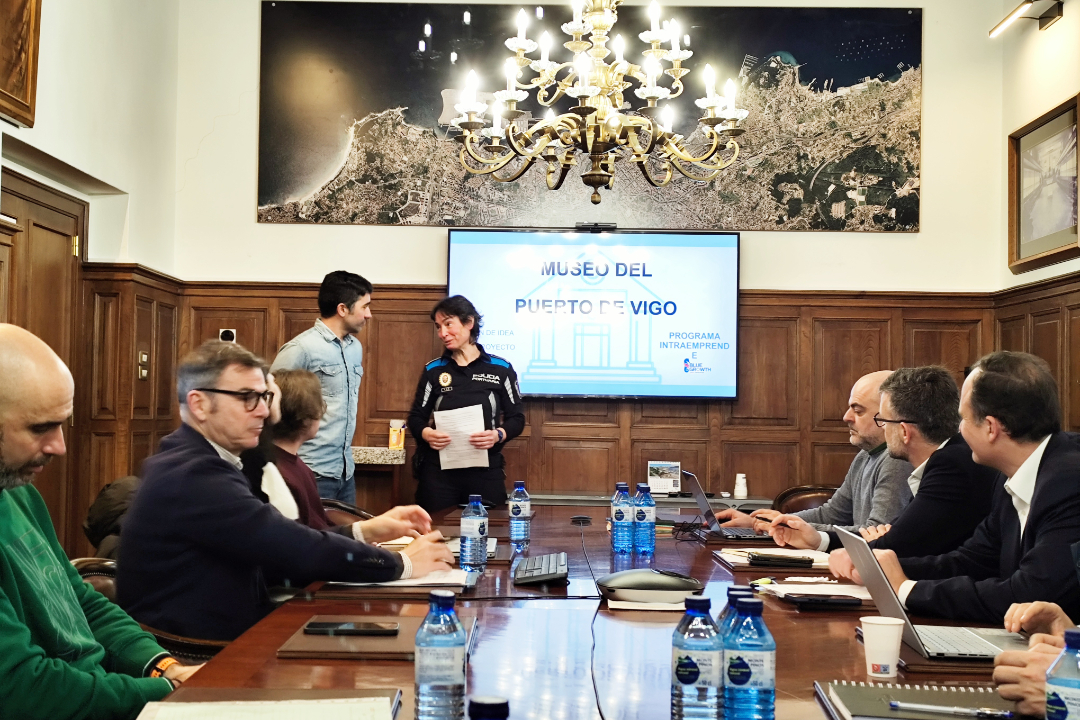
A new cultural epicentre: The Port of Vigo
Museum
As part of its strong commitment to promoting
heritage, the Port of Vigo will invest in a museum designed by workers Jairo
Mera and Noemí Sío. This project is the result of the fusion of two key
concepts: historical dissemination and smart tourism.
The new space will be located in the port area
and will showcase the evolution of the port from its strategic origins to its
current role as an economic driver.
The museum will also be supported by a
technological solution designed by Jairo Mera, consisting of an application
that will offer personalised and accessible routes around the port area,
integrating Vigo's cultural and natural heritage with the port's commercial
activity.
A ‘virtual trainer’ for the port community
Similarly, and in its commitment to the
well-being of its human capital, the institution will also promote sport
through the ‘O Porto Móvese’ project, devised by Alberto López. This is a
technological solution that acts as a virtual trainer, integrating personalised
physical activity and nutrition plans.
The application is specifically designed to
adapt to the particularities of the working environment of port companies,
promoting healthy lifestyles from the heart of the organisation.
Alongside these proposals, the programme has
also given the green light to initiatives such as Laura Otero's ‘Ondiñas’
Programme, which in this case focuses on career guidance and breaking down
barriers between citizens and the port.
Following the success of this first edition,
the organisation will soon launch the second call for proposals for this
initiative, which has served to confirm that the institution's most powerful
driver of innovation lies in its own human capital. The selected projects will
also form part of the Port of Vigo's Blue Growth strategy.