OFFICIAL LAUNCH OF THE “NATURPORTS” PROJECT
Nov 13, 2024, 6:00:00 PM
- Led by the
Port of Vigo, the project involves the collaboration of the University of Vigo,
as well as the University of Oviedo and the Marine Research Institute (IIM) of
the CSIC.
- Its goal is
to design and validate innovative ecological restoration strategies through the
application and adaptation of Nature-based Solutions (NbS) as a restoration
practice for altered areas in maritime-port environments.
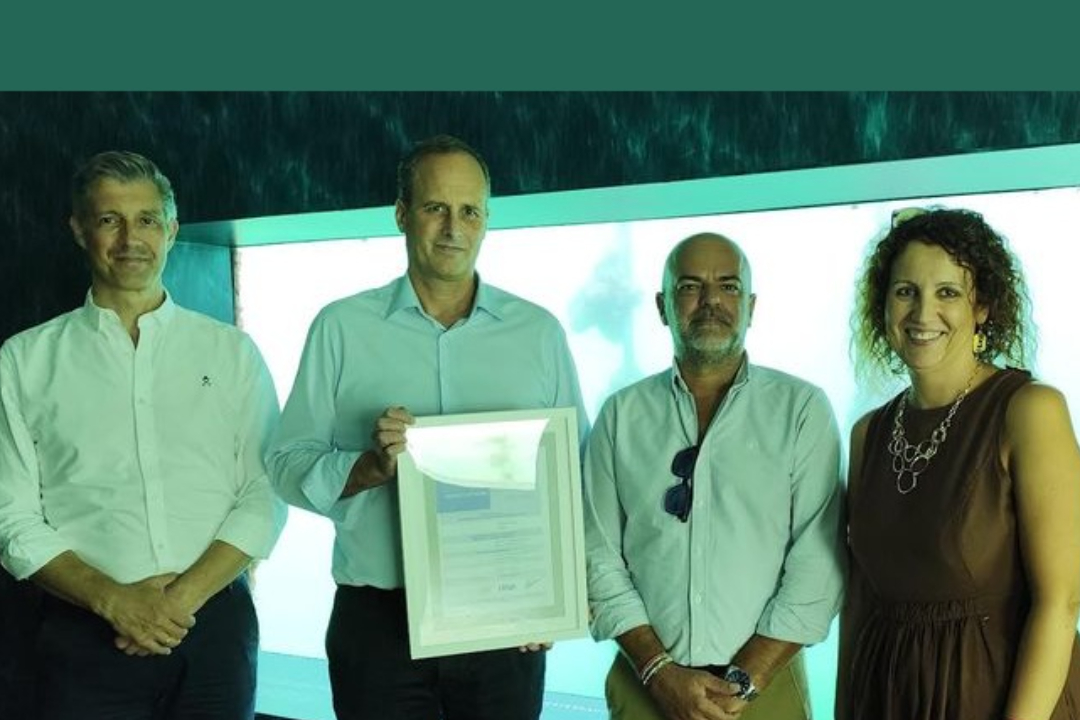
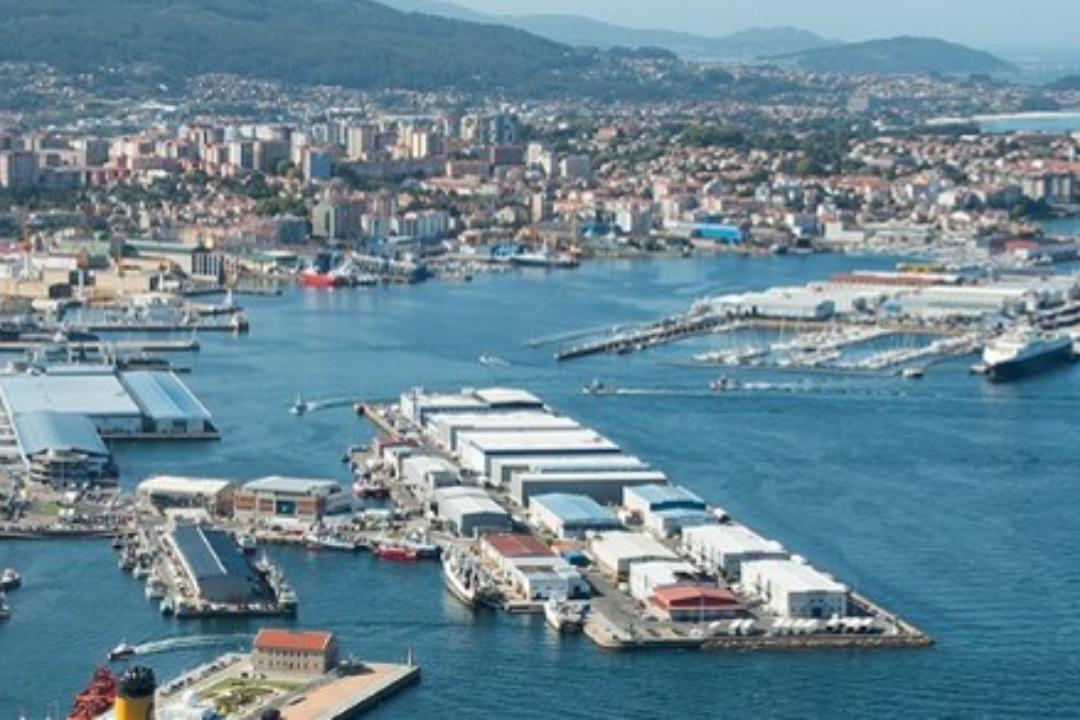
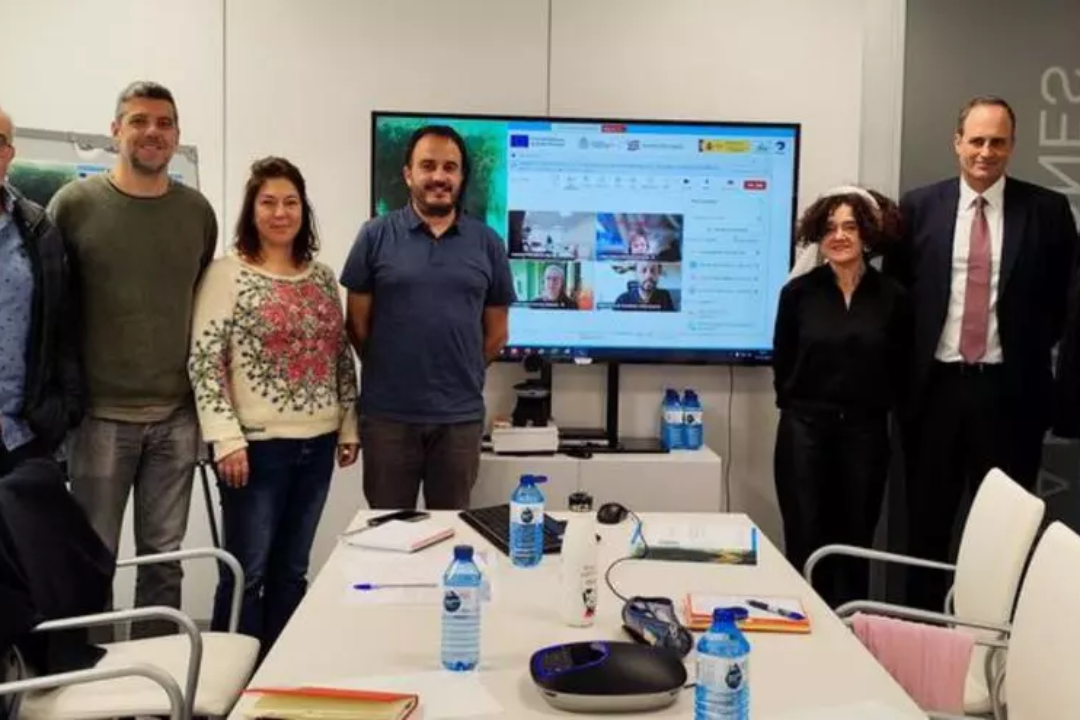
The Port
Authority of Vigo hosted this morning the launch meeting of the project
“NaturPorts – Integration of Nature-based Solutions in the Restoration of Port
Ecosystems.”
The
project, led by the Port of Vigo and supported once again by the University of
Vigo, the University of Oviedo, and the Marine Research Institute (IIM) of the
CSIC, seeks to integrate nature into port areas with the aim of achieving a
balanced relationship between the socioeconomic and environmental aspects of
coastal and marine ecosystems.
This
project is carried out with the collaboration of the Biodiversity Foundation of
the Ministry for Ecological Transition and the Demographic Challenge, through
the Pleamar Program, and is co-financed by the European Union through the EMFAF
(European Maritime, Fisheries and Aquaculture Fund).
With a
duration of 18 months, the project proposes the use of Nature-based Solutions
(NbS) as a practice for ecological restoration in areas impacted by urban and
port activities that may show environmental degradation and/or loss of
biodiversity. In this context, the use of NbS provides environmental, social
and economic benefits by increasing the resilience of these ecosystems to human
activities, as well as to those caused by climate change, among others.
The
scheduled activities include the development of three specific NbS pilot
projects: two in the Port of Vigo and one in Oviedo.
In Vigo,
the IIM-CSIC will promote the restoration of seagrass meadows, and the
University of Vigo will assess the degradation of NbS according to their
exposure to different wave conditions.
The third
pilot, carried out by the University of Oviedo, involves the use of NbS to
promote the development of barnacle communities on port infrastructures. All
three pilots will be monitored to evaluate their performance with respect to
the specific objectives defined for each case.
In parallel
to these pilots, a detailed diagnostic study of the different habitats present
in the port environment will be carried out to optimize future restoration
actions in the Port.
Additionally,
NaturPorts includes a governance, results-transfer and outreach program aimed
at fostering community participation and, in particular, raising awareness
among stakeholders and the general public.
In this
regard, the project includes the organization of hands-on workshop programs in
Vigo and Oviedo for schoolchildren and university students. Outreach activities
will also be carried out for fishermen’s associations and shellfish gatherers,
as well as a sustainable fisheries event. The ultimate goal is to address the
benefits of applying NbS in port environments and their contribution to
economic, environmental and social sustainability in the fisheries sector.
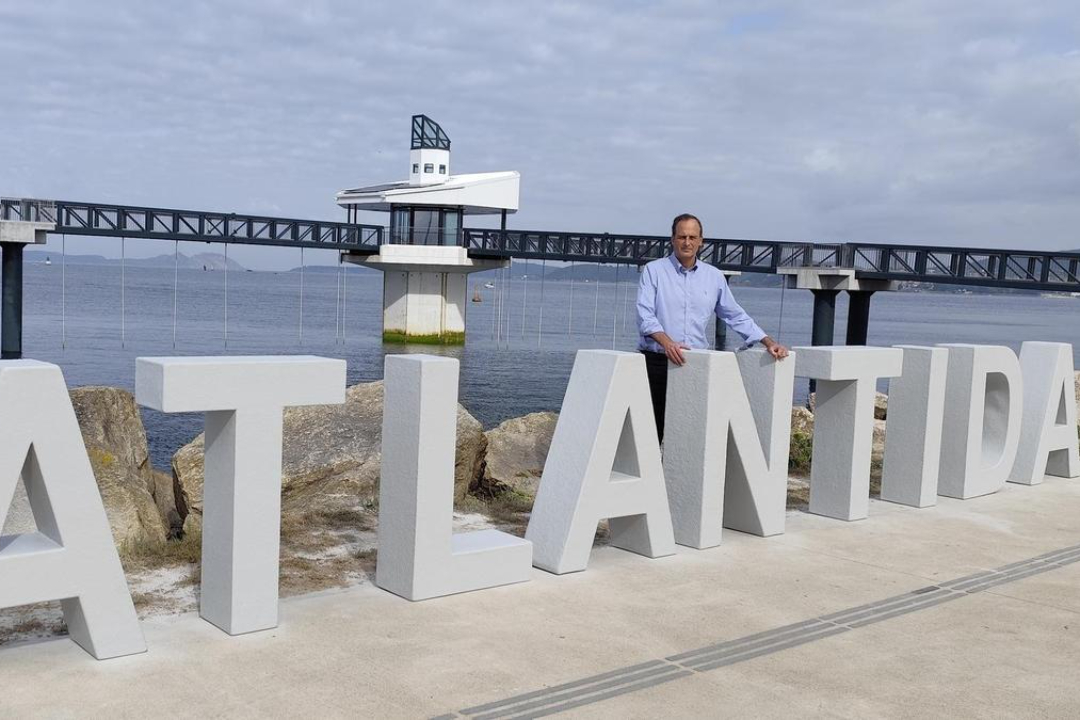
The first
action of the project took place on Friday, November 8, with the placement of
four concrete structures in front of the “Nautilus” underwater observatory.
Thanks to their channel- and crevice-based design, created by collaborators
from the University of Vigo, these structures will facilitate the settlement of
sessile organisms and provide shelter points for mollusks and crustaceans such
as octopus and velvet crabs.
These
structures are expected to reach their maximum level of organism settlement
between four and six months, corresponding to spring 2025.
Related projects