THE BLUEFISHING TRAINING PROJECT HOLDS ITS CLOSING EVENT TO ENHANCE THE PROFESSIONALIZATION OF EXTRACTIVE FISHING IN THE ATLANTIC REGION
Sep 25, 2023, 2:00:00 PM

The
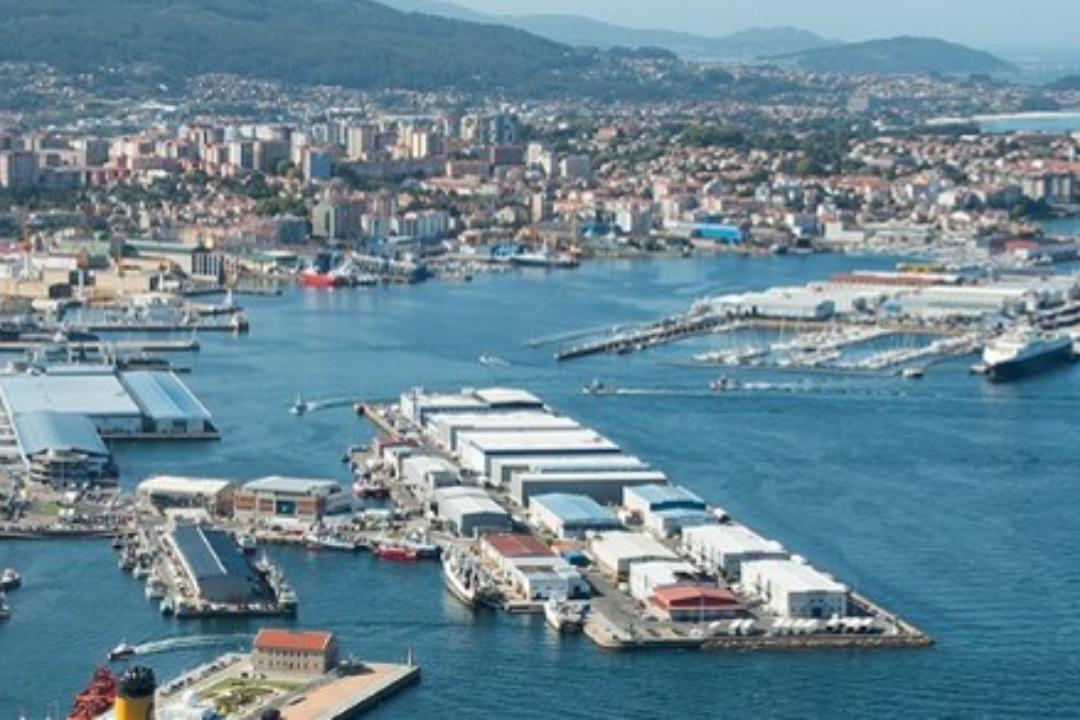
Sessions Building of the Port Authority of Vigo hosted a session this morning
on "SDGs in the Professionalization of the Blue Economy," as part of
the BlueFishing Training project, aimed at professionalizing the value chain of
inshore and offshore fishing in the Atlantic region.
This is one
of the five projects related to blue growth in the fishing and aquaculture
sector that has been executed under the Recovery, Transformation, and
Resilience Plan funded by the European Union - NextGenerationEU - through the
General Secretariat of Fisheries of the Ministry of Agriculture, Fisheries, and
Food, with a total value of €266,571.78.
The session
brought together experts and leaders in the field of the blue economy to
discuss how the Sustainable Development Goals (SDGs) can play a fundamental
role in promoting sustainable practices in the fishing industry. Distinguished
speakers presented practical cases related to the SDGs, such as quality
education, gender equality, industry, innovation and infrastructure, life below
water, and partnerships to achieve goals.
In this
context, attendees had the opportunity to learn about initiatives and projects
contributing to the sustainable development of the blue economy in the Atlantic
region. Furthermore, they engaged in enriching discussions and established
contacts with experts in the field.
The closing
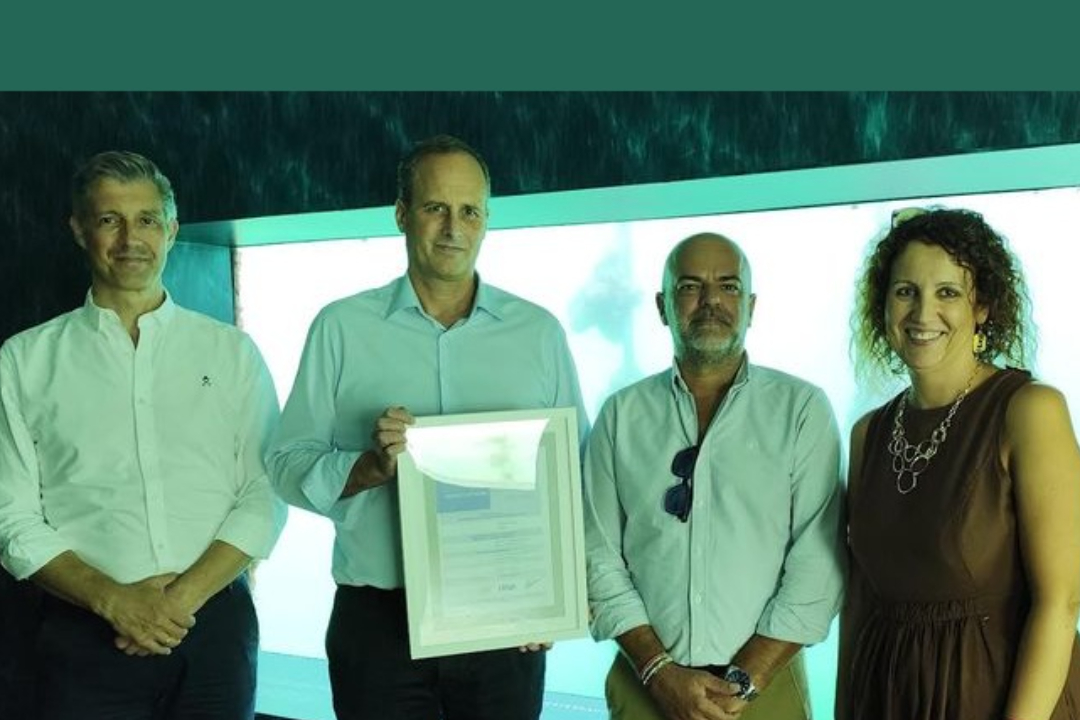
of this session featured the President of the Port Authority of Vigo, Carlos
Botana, who was joined virtually by Nieves Salgado from the Subdirectorate
General for Economic Sustainability and Social Affairs of the General
Secretariat of Fisheries, as well as Javier Touza, the head of ARVI, and Daniel
Rey, the director of Campus do Mar. They celebrated the achievements of the
project in providing a platform for sharing experiences and lessons learned.
"BlueFishing Training leaves a legacy of progress and sustainability in
inshore and offshore fishing in the Atlantic region," emphasized the port
authority's leader.
Notable
Results
From its
inception, BlueFishing Training has achieved significant results in
professionalizing the inshore and offshore fishing sector in the Atlantic
region. The project has contributed to strengthening skills and lifelong
learning in the extractive fishing sector by analyzing the gap between training
and the labor market, identifying training deficiencies for current positions,
and anticipating future qualification needs for related occupations through the
preparation of a diagnostic report.
After
drawing conclusions from the diagnosis, an Advisory Committee of sectoral
experts was formed, and a total of 3 roundtable discussions were held, each led
by one of the partner representatives from the three key subsectors (artisanal
fishing, offshore fishing, and marketing and logistics). These discussions
served as the basis for the development of work and the design of 13
specialized courses. These 13 training pathways have had a significant impact,
providing training to 238 individuals, of which 150 are professionals in the
fishing sector.
These
training pathways have been consolidated into the Sectorial Cooperation Plan
for Skills in the Fishing Sector, one of the main outcomes of this project,
acting as a facilitation element for strategic approaches that promote
cooperation among all stakeholders involved in designing appropriate training
solutions for professional development in the fishing sector.
BlueFishing
Training has encompassed both virtual and in-person modalities, combining
theoretical and practical sessions to offer comprehensive and tailored training
aligned with the sector's demands. Innovation has been a cornerstone of the
project, incorporating workshops and visits to experimental sites to enrich the
learning experience of participants.
BlueFishing
Training has become a benchmark in promoting sustainability and enhancing
professionalization in the value chain of inshore and offshore fishing in the
Atlantic region.
The
project's results will be presented tomorrow in Madrid at the knowledge-sharing
events organized by the Ministry of Agriculture, Fisheries, and Food.
Related projects